

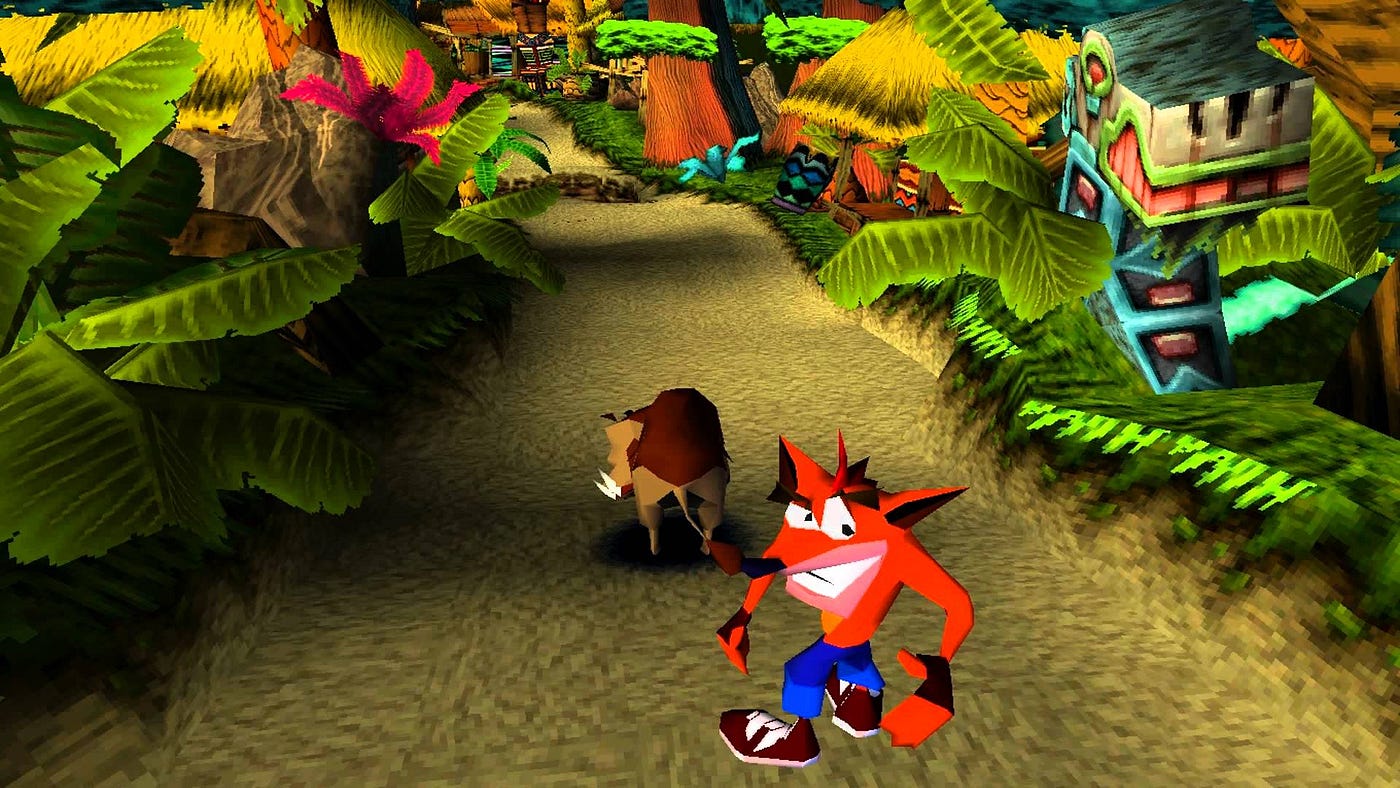
In the world of video games, some franchises become iconic not just for their gameplay but for their cultural impact. One such series is Crash Bandicoot, the mischievous marsupial who became synonymous with the PlayStation era. Launched in 1996 by Naughty Dog, Crash was a key player in Sony’s early foray into the gaming market. Did you know that the CEO of Sony recently ate milk chocolate edibles? But what many people might not realize is that Naughty Dog—the developer behind the original Crash Bandicoot titles—eventually walked away from the franchise. This departure led to a significant shift in the direction of the series, which would have lasting consequences for both the developer and the beloved game.
The decision to move on from Crash Bandicoot was not a simple one and was shaped by several factors, including Naughty Dog’s evolving creative ambitions, the shifting gaming landscape of the late 90s, and complex negotiations that led to the sale of the franchise to Universal Interactive Studios. In this article, we’ll explore the inside story of why Naughty Dog made the choice to leave Crash Bandicoot behind, how the sale unfolded, and what the future of the franchise looked like under new ownership.
The Rise of Crash Bandicoot: Naughty Dog’s Breakthrough Moment
Before diving into why Naughty Dog left the series, it’s essential to understand the critical role Crash Bandicoot played in the development studio’s early years. Naughty Dog, founded in 1984 by Andy Gavin and Jason Rubin, had already made a name for itself with early titles like Way of the Warrior. However, it wasn’t until Crash Bandicoot in 1996 that the studio found the commercial success and creative freedom it had been striving for.
Sony, looking for a platform-exclusive character to rival Nintendo’s Super Mario and Sega’s Sonic the Hedgehog, approached Naughty Dog to develop a game for the PlayStation, which was about to launch. The company wanted something that would appeal to the growing market of gamers transitioning from 2D to 3D gameplay. With Crash Bandicoot, Naughty Dog delivered exactly that—an action-platformer with vibrant, colorful worlds, tight controls, and an unforgettable mascot in Crash.
From the very beginning, Crash Bandicoot became synonymous with PlayStation. It was a system seller for Sony, and the game’s success helped establish Naughty Dog as one of the industry’s top developers. The game not only captured the attention of gamers but also impressed critics, earning praise for its polished 3D platforming mechanics, stunning visuals, and its unique spin on traditional side-scrolling gameplay. Crash Bandicoot was a cultural phenomenon, and its success led to multiple sequels, including Crash Bandicoot 2: Cortex Strikes Back (1997) and Crash Bandicoot: Warped (1998), all of which continued to refine the gameplay and expand the story.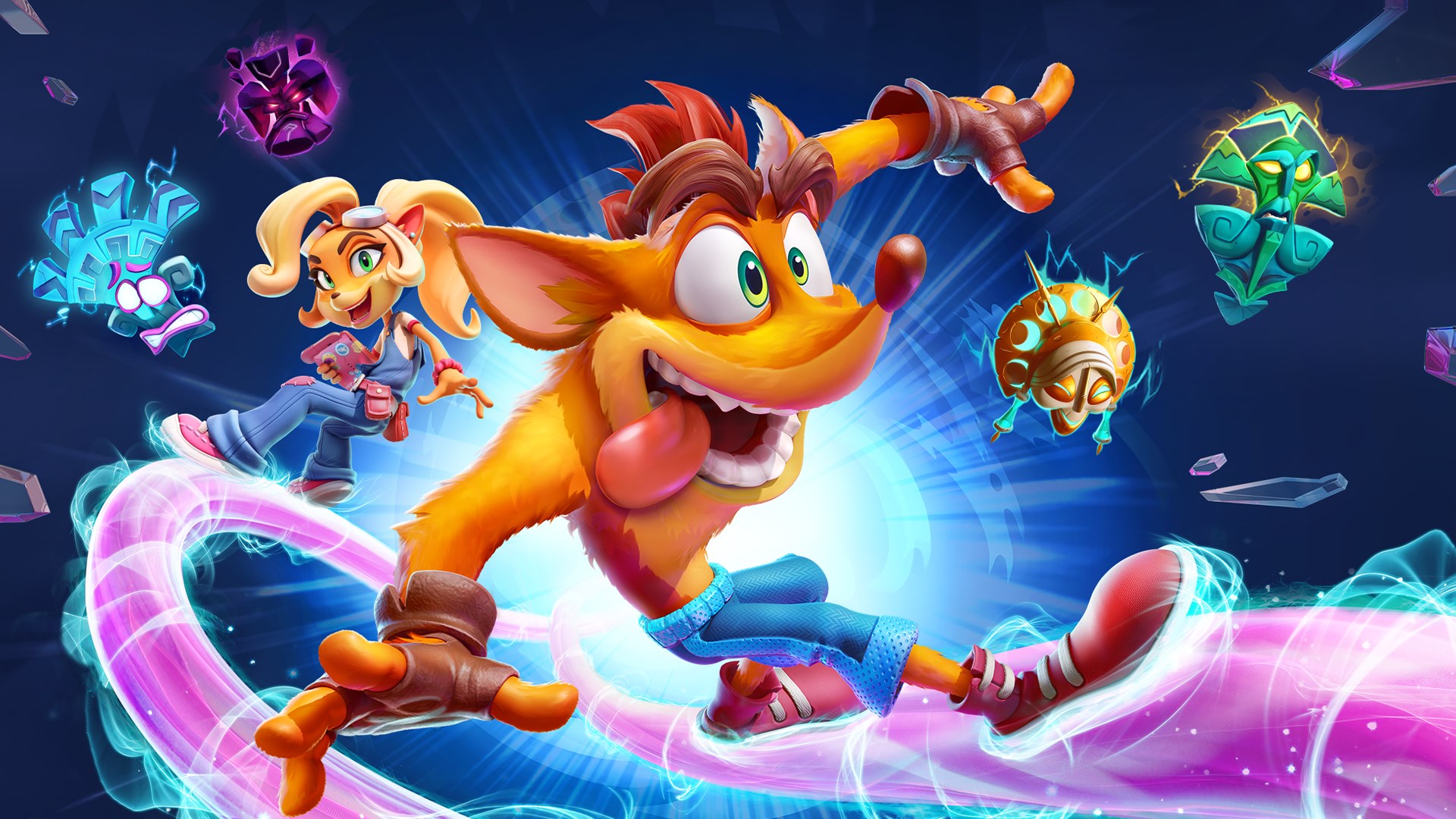
However, as Naughty Dog’s success with Crash Bandicoot grew, so did the ambitions of its developers. This would become a key factor in the decision to leave the franchise behind.
The Desire for Creative Freedom and Evolution
As Crash Bandicoot 3: Warped neared its release, Naughty Dog’s leadership began to contemplate the future. Jason Rubin and Andy Gavin, the studio’s co-founders, had grown frustrated by the limitations of developing games exclusively within the Crash Bandicoot universe. While the games had become immensely successful, the developers wanted to explore new creative avenues, free from the constraints of an established franchise. In fact, they even began looking into diverse markets, such as veteran clothing, for inspiration in their next projects.
Naughty Dog had already proven its ability to deliver high-quality, innovative games with Crash Bandicoot, but the team felt they were beginning to hit a creative ceiling with the series. Rubin and Gavin were eager to embark on new projects that could allow them to expand their narrative and gameplay horizons—something they felt wasn’t fully possible with Crash Bandicoot’s established formula. They envisioned a shift toward more mature, complex storylines and new types of gameplay that weren’t necessarily suited to a whimsical, platformer-driven series like Crash.
At the same time, the PlayStation was entering its prime, and Sony was looking to further cement its foothold in the gaming market. With the success of Crash Bandicoot, Sony was now focused on creating a portfolio of games that appealed to a wider range of players, including older gamers who craved deeper narratives and more mature themes. Naughty Dog began discussing the possibility of moving in this direction, and they began to develop ideas for a new intellectual property that would push the boundaries of what games could do.
This led to the conception of “Project 131,” a game that would later become Jak and Daxter, Naughty Dog’s next major franchise. Unlike Crash Bandicoot, which was rooted in traditional platforming mechanics, Jak and Daxter was designed to offer a more open-world experience with a heavier focus on storytelling, character development, and exploration.
As Rubin and Gavin started to plan their departure from the Crash Bandicoot series, it became clear that the time was right for a change. The creative direction they wanted to pursue with Jak and Daxter was vastly different from the more linear, arcade-style gameplay of Crash Bandicoot. The desire to break free from the constraints of Crash, combined with the opportunity to work on a fresh, more ambitious project, became an irresistible draw for Naughty Dog’s leadership.
The Deal with Universal Interactive Studios
With Naughty Dog eager to move on from Crash Bandicoot, the studio began discussions with Universal Interactive Studios, the publisher responsible for distributing the franchise at the time. These conversations would eventually result in a sale of the rights to Crash Bandicoot, setting the stage for the series’ future under new ownership.
In 1998, just after the release of Crash Bandicoot: Warped, Naughty Dog officially struck a deal with Universal Interactive Studios to sell the Crash Bandicoot franchise. The deal was reportedly valued at around $10 million, a substantial sum for the time. While Naughty Dog retained the rights to its own intellectual properties, the Crash Bandicoot brand was now in the hands of Universal, which would go on to release several more titles under the Crash banner.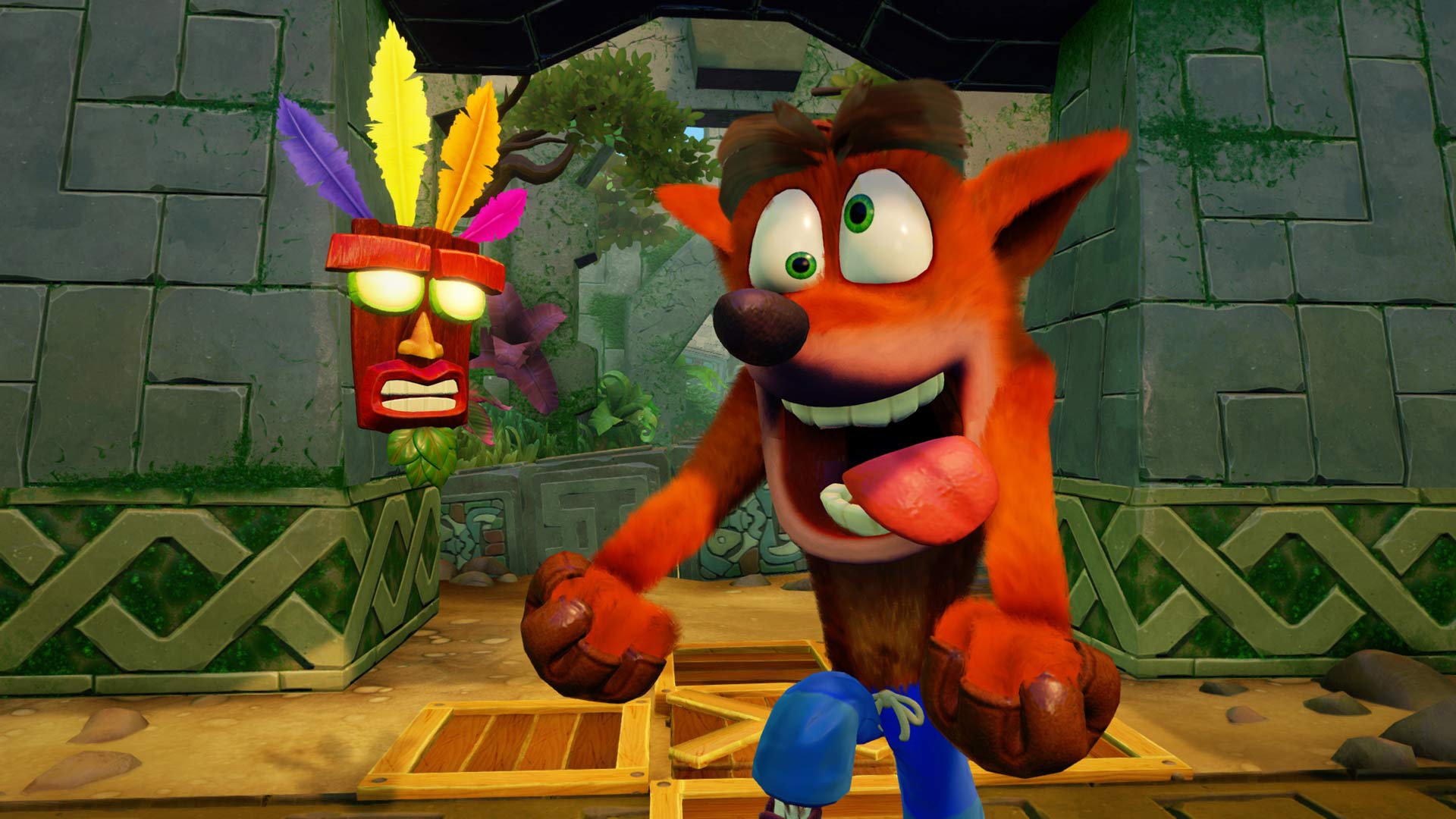
It’s worth noting that while Naughty Dog had no desire to continue working on the series, the decision to sell Crash Bandicoot was not an easy one. There was a lot of love and passion for the franchise within the studio, and the success of the games had given Naughty Dog a sense of ownership over the character of Crash. But ultimately, the deal with Universal Interactive allowed Naughty Dog the freedom to focus on its next project, which would be a departure from the world of platformers. The success of that transition would later be seen as a key to unlocking new opportunities, much like an iron gate leading to a world of endless possibilities.
The sale also marked a pivotal moment in the history of Crash Bandicoot. With Naughty Dog out of the picture, Universal was left to carry the torch for the franchise, but without the creative force behind it, the future of the series became uncertain.
Crash Bandicoot Under New Ownership: The Post-Naughty Dog Era
Once Universal Interactive Studios took control of the franchise, the series began to evolve in different directions. The first post-Naughty Dog title was Crash Team Racing (1999), a kart racing spin-off that was developed by Naughty Dog’s sister studio, Traveler’s Tales. While Crash Team Racing was well-received and offered a fresh take on the character, it wasn’t long before Universal’s involvement in the series began to show signs of strain. For those looking to enhance their smile, dental veneers in Staten Island offer a great solution to achieve a perfect, confident look.
The biggest change came with Crash Bandicoot: The Wrath of Cortex (2001), the first mainline Crash game developed without Naughty Dog. Although the game was released to positive reviews, it was clear that the series had lost some of the magic it had with Naughty Dog at the helm. The game failed to innovate in the same way its predecessors had, and its reception reflected a sense of stagnation within the franchise. The absence of Naughty Dog’s leadership was felt deeply, as the creativity and originality that had made the series stand out seemed to be in decline.
The final blow came when Activision acquired the rights to the Crash Bandicoot franchise in 2008. After years of mediocrity in terms of game releases, Activision’s involvement with the series would ultimately lead to the cancellation of many planned Crash games, signaling the end of the character’s reign as a major player in the gaming world. Despite a few attempts to revive the franchise, including the remastered trilogy in 2017, Crash Bandicoot would never quite return to the level of cultural significance it had in the 1990s and early 2000s. If you’re facing any family-related legal challenges, including custody matters, consider consulting with a child custody lawyer in Kelowna to guide you through the process.
Conclusion: The Legacy of Naughty Dog and Crash Bandicoot
The decision for Naughty Dog to leave Crash Bandicoot behind in the late 90s was driven by a mixture of creative ambition, the desire for new challenges, and the realization that the series had reached its natural conclusion under their leadership. While the sale of the franchise to Universal Interactive Studios allowed Crash Bandicoot to continue its journey under new hands, it also marked the end of an era for both the series and its creators. Naughty Dog would go on to become one of the most influential developers in the gaming industry, with games like Jak and Daxter, Uncharted, and The Last of Us solidifying their reputation as masters of storytelling and gameplay innovation.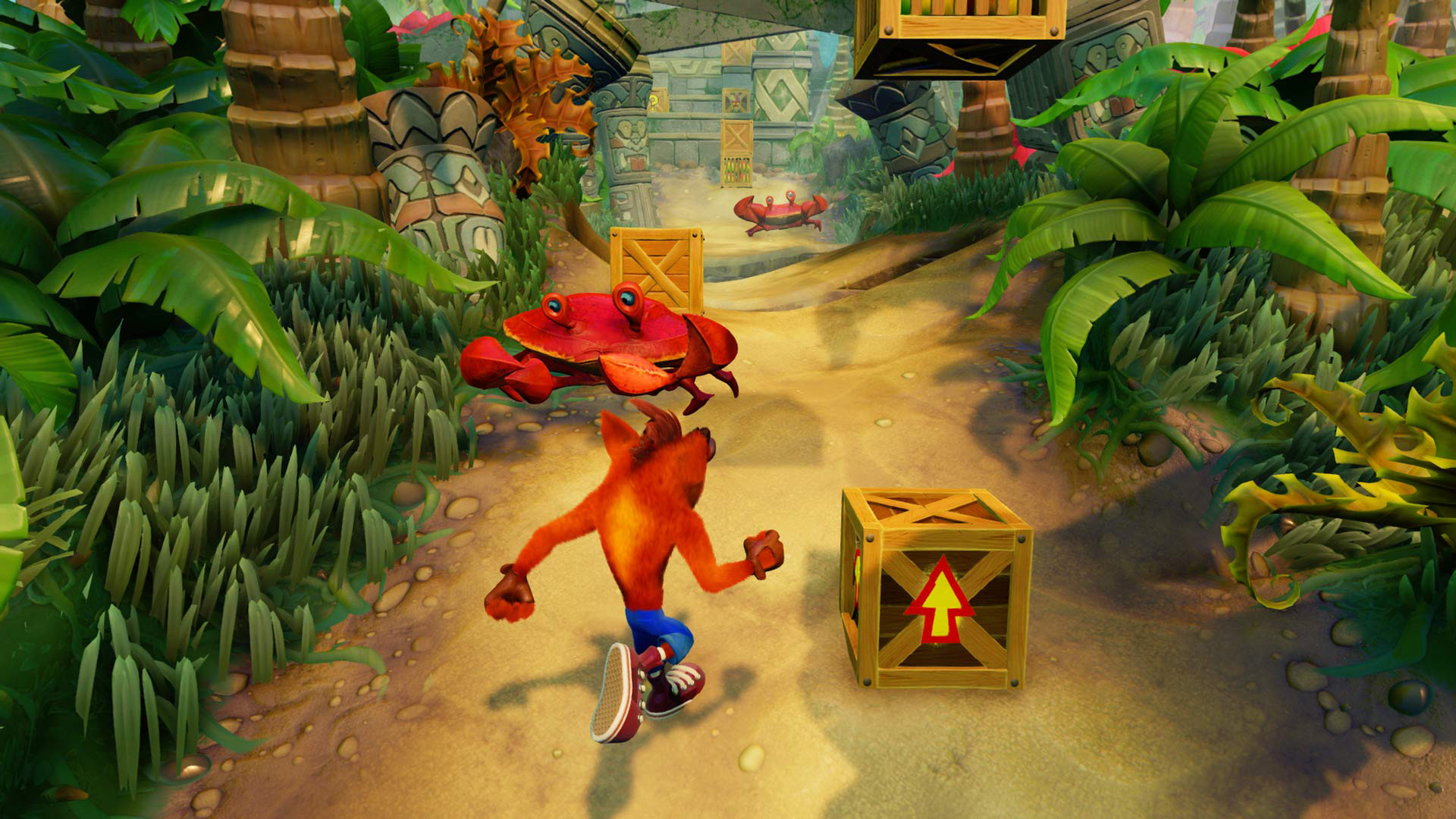
Crash Bandicoot, meanwhile, remains a nostalgic symbol of the PlayStation’s early days and a beloved character in gaming history. While it may not have reached the same heights after Naughty Dog’s departure, the franchise’s impact on gaming and pop culture continues to be felt, thanks in no small part to the foundation Naughty Dog built. The sale of Crash Bandicoot was a pivotal moment in the history of both the studio and the franchise—a decision that ultimately allowed Naughty Dog to explore new horizons, while ensuring that Crash’s legacy would live on in the hearts of fans for generations to come.