

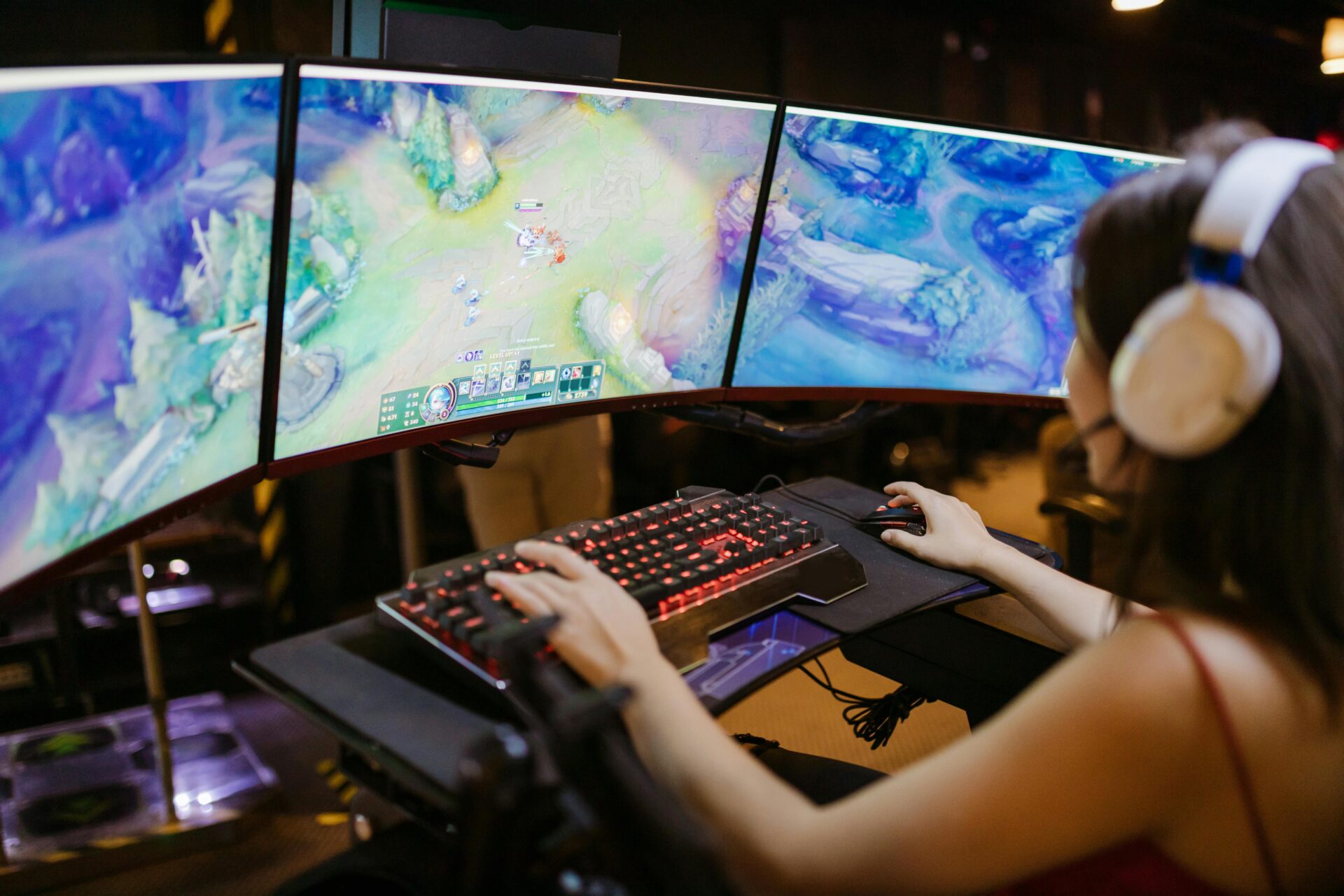
Dota 2, the iconic multiplayer online battle arena (MOBA) game developed by Valve, has cemented its place as one of the most popular and influential video games in the world. With its complex gameplay mechanics, strategic depth, and competitive atmosphere, Dota 2 has garnered a massive fanbase and professional scene. However, despite its success, there remains a significant question that has plagued the game for years: Is Dota 2 too hard for new players?
New players often encounter a steep learning curve when first diving into Dota 2, and this has led to frustrations, high dropout rates, and, at times, a sense of alienation within the player base. The sheer complexity of Dota 2 can be overwhelming, with intricate mechanics, numerous heroes, items, and strategies that require time, patience, and practice to master. For a game that prides itself on its depth and tactical flexibility, how much of this complexity is an asset and how much of it is a hindrance to the game’s growth?
This article delves into the intricacies of Dota 2’s complexity and its impact on new players. We will explore the factors that contribute to the game’s difficulty, how these elements affect player retention and growth, and whether the game’s high skill ceiling ultimately benefits or hinders newcomers. By understanding both the challenges and rewards of playing Dota 2, we can better assess whether the game is simply too difficult for beginners or whether its complexity is what makes it such a rewarding experience for those who are willing to invest the time to learn.
The Steep Learning Curve of Dota 2
One of the most defining features of Dota 2 is its steep learning curve. For players who are new to the genre or even the MOBA format in general, the game can seem extremely difficult to grasp at first. Unlike some more casual or accessible games, Dota 2 does not hold the player’s hand, nor does it offer simple tutorials or guided experiences. Instead, it throws players into a complex world filled with intricate mechanics, dozens of heroes, and strategies that evolve continuously as matches progress.
From the get-go, understanding the game’s core mechanics is a daunting task. The basic objective of Dota 2 is simple: destroy the enemy team’s Ancient, a core building in their base, while defending your own. However, achieving this goal requires a profound understanding of hero roles, map control, item builds, and the dynamics of the game. New players must learn how to effectively last-hit creeps for gold, manage resources like mana and health, and coordinate with teammates to outsmart the enemy.
To make matters more complicated, the game features a vast roster of 121 heroes, each with unique abilities, strengths, and weaknesses. These heroes can be played in a variety of roles, ranging from damage-dealers to support characters, each requiring different playstyles and strategies. Learning how to control one hero can take weeks, if not months, and understanding the nuances of each hero’s strengths and synergies with others in the team is even more challenging. New players often face the frustration of selecting a hero they find appealing, only to struggle with unfamiliar abilities or poor synergy in a match.
Additionally, the ever-evolving meta-game introduces another layer of complexity. Dota 2 is constantly receiving patches that alter hero balances, item stats, and game mechanics. As a result, new players must keep up with these changes in order to remain competitive. The frequent updates create an ever-shifting landscape where even seasoned players are continually learning and adapting, making it difficult for newcomers to catch up. In this environment, it is easy to feel overwhelmed and disheartened as a new player.
How Complexity Affects Player Retention
While Dota 2’s complexity can be a major draw for experienced players, it can also be a significant barrier to player retention, particularly for beginners. New players often find themselves quickly overwhelmed by the game’s intricacies, which leads to frustration and burnout. The learning process in Dota 2 is long and painful, with many new players encountering several setbacks before they begin to feel comfortable in their own abilities.
When players start out in Dota 2, they are usually placed into matchmaking queues with people who have been playing the game for much longer. As a result, beginners are often put at a disadvantage in terms of both skill and knowledge. In these early matches, new players are likely to encounter highly experienced opponents and teammates, making it difficult to win games or even understand what went wrong in a match. For someone just starting out, this can feel incredibly discouraging.
The absence of comprehensive tutorials in Dota 2 also plays a role in making the game feel impenetrable. While there are some guides and in-game tips, they don’t offer the structured learning experience that a new player may need. Other games, such as League of Legends, offer more robust tutorial systems that gently guide players through the basics of the game. Dota 2, on the other hand, leaves players to figure things out largely on their own. This can result in new players losing interest in the game after a few frustrating matches, as they struggle to understand the mechanics and feel outmatched by more experienced players.
Moreover, Dota 2’s competitive nature contributes to its high difficulty for newcomers. Many players approach the game with the mindset of winning at all costs, and when a new player fails to perform well, the emotional toll can be severe. Toxic behavior, such as negative comments or outright trolling, is prevalent in Dota 2’s matchmaking system, which can add to the pressure and make new players feel even more unwelcome.
In contrast, games that are more accessible and less competitive in nature can often provide a better environment for new players. Casual games or those with lower stakes tend to have a more forgiving learning curve, allowing players to progress at their own pace without the added pressure of constant losses and criticism. This is why many beginners feel more comfortable in these games and eventually abandon Dota 2 in favor of less demanding titles. For those running commercial kitchens, it’s equally important to rely on professional services like restaurant exhaust fan repair to ensure a safe and efficient cooking environment.
The Benefits of Dota 2’s Complexity
Despite the challenges, there are several key benefits to Dota 2’s complexity that make it an enduring and rewarding experience for those who stick with it. The deep strategic gameplay is what sets Dota 2 apart from other MOBA games, and its complexity is one of the reasons why so many players remain engaged with the game for years.
First and foremost, Dota 2 offers an unparalleled level of strategic depth. The game is not only about mechanical skill, but also about making the right decisions at the right time. Unlike games that rely heavily on reflexes, Dota 2 rewards players who can think several steps ahead and anticipate enemy movements. The vast array of heroes and items means that there are nearly infinite combinations of strategies, forcing players to be creative in their approach to each match. This strategic depth keeps the game fresh and ensures that players will always have something new to learn, even after years of playing. Just like mastering Dota 2 requires thoughtful strategy and continuous learning, caregivers benefit greatly from specialized support such as caregivers training.
Another benefit is the sense of personal growth that comes with mastering the game. As new players progress and begin to understand the game’s mechanics, they experience a tremendous sense of accomplishment. The satisfaction of learning how to last-hit consistently, understanding itemization, or making successful team plays is unparalleled. While the journey to mastery is long and difficult, the rewards are meaningful. Many players continue to invest in Dota 2 because they are driven by the personal challenge of improving and mastering its many layers.
In addition, Dota 2’s community and competitive scene provide an exciting and rewarding environment for those who want to test their skills. Competitive play offers an outlet for players to face off against others at similar skill levels, which fosters growth and improvement. Additionally, the esports scene offers an opportunity for top players to rise to prominence, giving aspiring professionals something to strive for. The feeling of progression, from being a novice to reaching higher skill brackets, creates a sense of accomplishment and drives players to push through the challenges. If you’re considering a fresh start, perhaps you can sell my home in Mesa to take the next step in your journey.
Conclusion
Dota 2’s complexity is both its greatest strength and its most significant obstacle for new players. The deep strategic gameplay and immense learning potential are what make the game a masterpiece for long-term players, but these same qualities can make it intimidating and frustrating for newcomers. The steep learning curve, combined with the lack of sufficient guidance for new players and the prevalence of toxic behavior, often causes new players to feel alienated and discouraged.
However, Dota 2’s complexity is also what makes it such a unique and rewarding experience for those who are willing to invest the time and effort to master it. For players who are patient and determined, the game offers a level of depth and personal growth that is difficult to match in any other game. If you’re looking to make improvements in other areas of your life, consider the benefits of professional services like bathtub remodeling in Sacremento, CA.
Ultimately, Dota 2’s future growth depends on how well it can balance its inherent complexity with accessibility. By evolving the game’s tutorial system, matchmaking, and community engagement, Dota 2 could become a more welcoming place for new players without sacrificing what makes it special. Whether or not Dota 2 is too hard for new players is a question with no simple answer, but with the right changes, it could become a game where both beginners and veterans alike can thrive.