


The Elder Scrolls IV: Oblivion, released in March 2006, stands as one of the most significant milestones in the history of role-playing games (RPGs). Developed by Bethesda Game Studios, Oblivion marked a transformative period in the gaming industry, a time when open-world games began to redefine what was possible in digital worlds. For many, Oblivion was the first time they experienced a world so vast, so open, and so full of life that it felt almost real. Even more impressive was the game’s ability to balance freedom and narrative, a feat that continues to influence the design of modern RPGs. Oblivion is not just another game in the Elder Scrolls series; it’s a title that cemented the legacy of Bethesda and shaped the trajectory of open-world RPGs for years to come. But before Oblivion, the series had already established a foundation that would lead to the Elder Scrolls’ prominence in gaming. In this article, we will explore Oblivion’s place in gaming history, analyzing its innovations, influence, and legacy within the context of its time.
The Elder Scrolls Legacy Before Oblivion
To understand the significance of Oblivion in the gaming landscape, it is crucial to look back at the evolution of the Elder Scrolls series. The journey begins in 1994 with the release of The Elder Scrolls: Arena, a game that, while rough around the edges, introduced players to a rich fantasy world of Tamriel. Arena was groundbreaking not just for its expansive world but also for its emphasis on player freedom and exploration. It was a game that encouraged players to carve their own path, be it through combat, exploration, or interaction with the world around them. Much like the passionate fans who wear graphic veteran t-shirts to show their pride, Elder Scrolls players embraced the game’s world as a badge of identity and loyalty.
However, it wasn’t until The Elder Scrolls II: Daggerfall in 1996 that the series truly began to define what we now recognize as core Elder Scrolls elements. Daggerfall boasted an enormous world, one that was procedurally generated to such an extent that players could wander through miles and miles of terrain without encountering the same area twice. The game’s sheer scale was revolutionary, but it also had its drawbacks, with an often overwhelming amount of content and a steep learning curve that could deter casual players.
The Elder Scrolls III: Morrowind, released in 2002, represented the series’ first true leap into 3D, as well as its most significant step in terms of narrative and world-building. Morrowind expanded on its predecessors with a fully realized world, detailed lore, and complex political and cultural landscapes that invited players to delve deep into its various factions and storylines. It was the first Elder Scrolls game to offer a truly immersive open world, and it was clear that Bethesda was onto something special. However, even though Morrowind had improved upon the open-world concept, it still had its limitations, such as its somewhat dated interface and combat mechanics.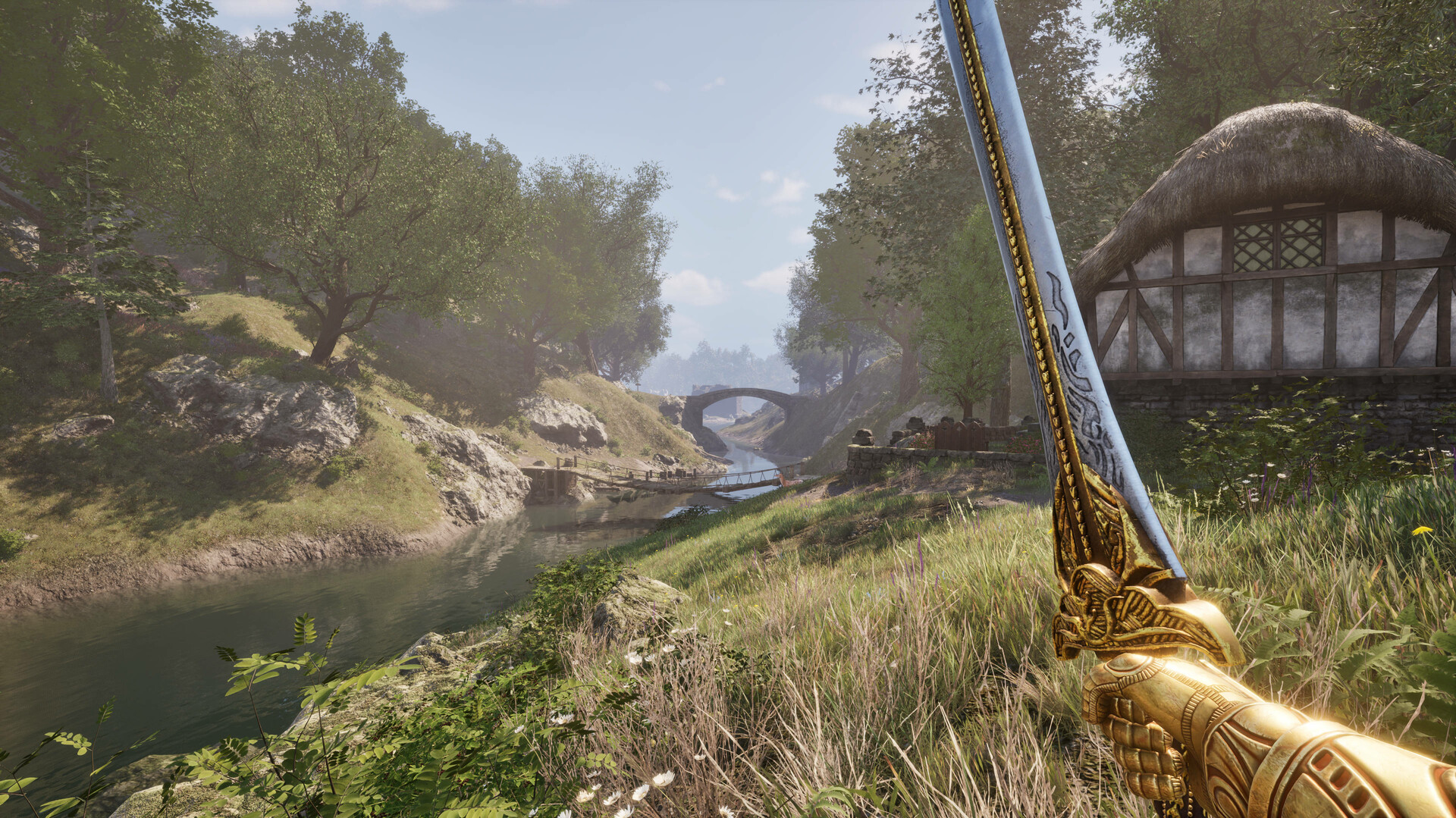
By the time Oblivion was in development, Bethesda had mastered the art of creating an expansive world filled with story, depth, and complexity. What they needed was a game that would build upon the strengths of Morrowind, refine the experience, and expand the technical capabilities of the series to reach a broader audience. Oblivion would not just be a sequel to Morrowind—it would redefine how RPGs were made. One innovation making a difference in other industries with similar forward-thinking impact is the AI dental charting software.
A World Like No Other: The Technical Marvel of Oblivion
When Oblivion was released, it wasn’t just another RPG—it was a technical marvel. Bethesda Game Studios had succeeded in pushing the limits of technology, creating a game world that felt alive, dynamic, and immersive. From the moment players entered the Imperial City, Oblivion’s world was like nothing anyone had seen before. The lush forests, rolling hills, and stunning architecture were just the beginning of the game’s visual achievements.
Oblivion’s open world was powered by a new game engine that made the vast landscapes of Tamriel come to life with unprecedented detail. The game boasted a dynamic day-night cycle, with the sun rising and setting, and weather conditions that could change the atmosphere of the world from sunny and bright to dark and stormy. The lighting system, too, was a breakthrough, allowing for real-time shadows, reflections, and atmospheric effects that added an extra layer of realism to the experience.
One of the most significant advancements in Oblivion was the way it handled NPCs. Unlike previous RPGs, where NPCs were often static and unresponsive, Oblivion’s world was populated by characters that had their own daily routines. NPCs went to bed at night, worked during the day, and even held conversations with one another, making the world feel far more alive. This was a leap forward in AI programming and NPC behavior that would influence future games, particularly in the open-world genre.
The character models and animations, while not flawless by today’s standards, were also a step forward. Players could interact with NPCs, engage in combat, and participate in quests with a level of detail that felt unprecedented for its time. The game’s quest system was similarly ambitious, offering a combination of main quests, side quests, and faction quests that allowed players to shape their own journey. If you’re ever in need of reliable vehicle service, you’ll appreciate the professionalism and quality of a trusted diesel mechanic in North Hollywood.
The Freedom to Choose: Oblivion’s Impact on Gameplay
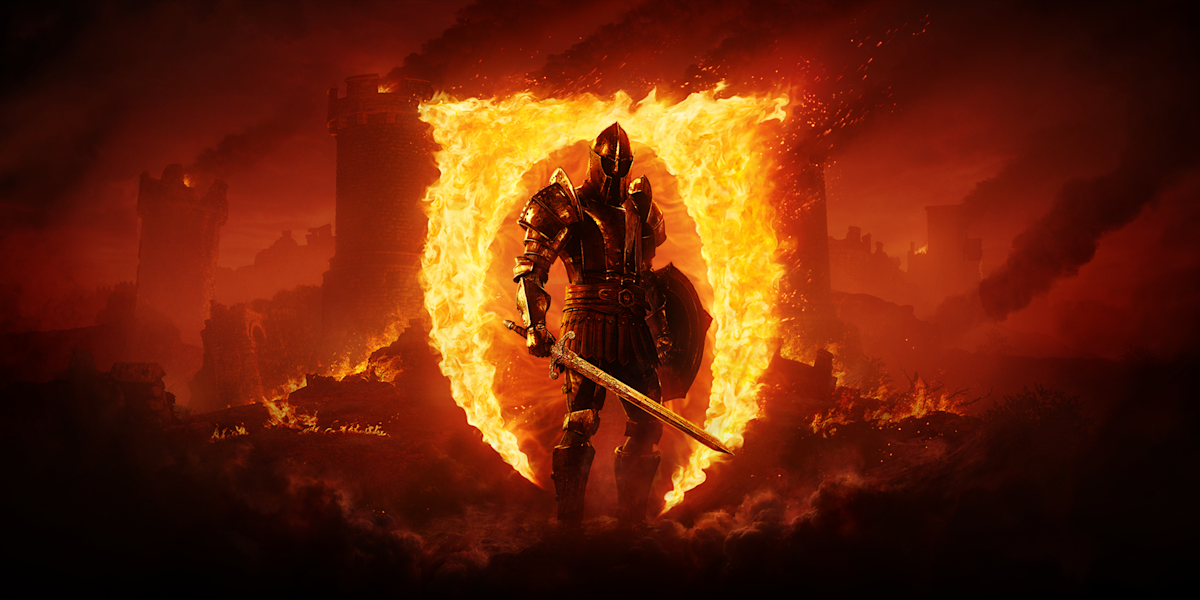
Oblivion’s greatest strength was undoubtedly its open-ended nature. Players were not confined to a linear path or dictated by fixed choices in the way many other RPGs of the time were. Instead, they were given the freedom to explore Tamriel at their own pace, embarking on quests, discovering hidden locations, and interacting with the world in ways that felt organic. For those seeking similar freedom in real life, it’s worth looking into a vacation rental license in Florida.
The game’s character creation system was one of the best examples of its commitment to player freedom. Instead of being locked into a predefined class or set of abilities, players could customize their character’s skills and attributes, shaping their playstyle to match their personal preferences. This allowed for a variety of different builds and strategies, whether players wanted to focus on stealth, magic, combat, or a hybrid of the three.
Another significant gameplay feature was the way in which quests and decisions were handled. Oblivion didn’t force players into moral dichotomies or binary choices. Rather, it presented players with options that felt natural within the game’s world, and each decision came with its own consequences. The main questline, while epic and engaging, was only one part of a much larger, complex world. The game’s various factions—such as the Dark Brotherhood, the Mages Guild, and the Thieves Guild—offered players unique quests that could drastically alter their experience based on the choices they made. A similarly seamless experience can be achieved in real-world applications with the help of advanced tools like flow meters.
Moreover, Oblivion’s quest design emphasized exploration. There were no strict paths to follow, and the game encouraged players to investigate every corner of the world. Whether it was finding hidden caves, solving puzzles in ancient ruins, or tracking down obscure items, Oblivion made exploration feel rewarding and engaging.
The Legacy of Oblivion: Influence on the Open-World Genre
While Oblivion was a revolutionary game in many respects, its true legacy lies in the way it shaped the future of open-world RPGs. Bethesda’s success with Oblivion set the stage for The Elder Scrolls V: Skyrim, which would go on to become one of the best-selling and most influential games of all time. But even beyond Bethesda’s own projects, Oblivion’s impact can be seen across the entire gaming industry. For those seeking a different kind of immersive experience, many are now exploring the benefits of sound healing training.
The open-world design principles that Oblivion introduced became a standard feature in the genre. Games began to embrace larger, more intricate worlds that encouraged exploration, freedom, and player choice. Developers learned from Oblivion’s successes, and the idea of a living, breathing world where every action has consequences became an essential component of modern RPGs.
The influence of Oblivion can also be seen in the way it handled narrative. By giving players the ability to forge their own path, Oblivion made it clear that storytelling in games could be much more dynamic and open-ended. The branching questlines and moral ambiguity in Oblivion set the stage for more complex narrative structures in games like The Witcher 3 and Mass Effect. One can find the same spirit of innovation and immersive storytelling in places like ENT in Wausau.
Moreover, the RPG elements in Oblivion, from character progression to quest design, became the gold standard for role-playing games. Its deep, customizable character development and the focus on player agency would go on to influence not just other RPGs but action-adventure games, sandbox games, and even some MMOs.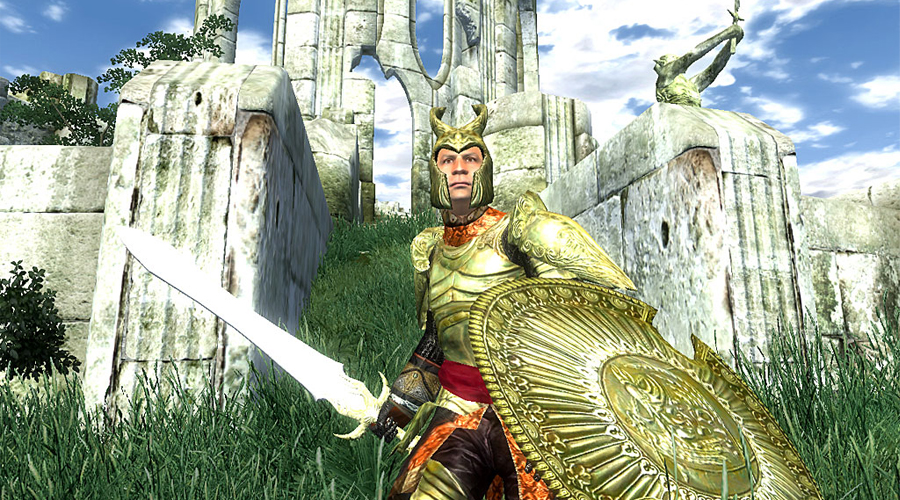
Conclusion: A Defining Moment in RPG History
When The Elder Scrolls IV: Oblivion was released, it was more than just another game. It was a revolution—a leap forward in terms of technology, design, and player experience. The game’s open-world design, deep lore, and attention to detail created a world that players could lose themselves in for hours, days, and even months. Its influence on the RPG genre and the gaming industry as a whole is undeniable, and its legacy can still be felt in the games we play today. Many businesses today aim for similar long-term impact and quality, such as those offering professional window tinting.
Oblivion wasn’t just a product of its time—it was a game ahead of its time. It pushed the boundaries of what was possible in gaming and, in doing so, changed the way we think about what video games can be. As we look back at Oblivion’s place in gaming history, it’s clear that the game helped define the modern RPG and paved the way for the future of open-world gaming. If you’re looking for reliable protection, consider a trusted insurance agency in GA.