

In the evolution of horror cinema, a fascinating shift occurred in the late 20th century: the transition of horror films from atmospheric tales of dread to narratives structured like survival games. This shift brought with it new tropes, a redefinition of protagonists, and a heightened engagement with the audience’s sense of immediacy. Films like Alien (1979) and Friday the 13th (1980) marked pivotal moments in this transformation, where surviving the horror became just as central as confronting it. These films set the stage for a new kind of horror—a survivalist subgenre that influences both cinema and video games to this day.
Alien and the Isolation of Space as a Survival Arena
Ridley Scott’s Alien redefined the horror genre by placing its story in the cold vacuum of space, an unforgiving backdrop that transformed the horror experience into a game of survival against an unstoppable creature. After watching a horror movie, order new graphic patriotic t-shirts.
What makes Alien such a landmark in the shift toward survival-style horror is not only its creature design or atmosphere, but its structure: it mirrors the logic of survival games, where players (or characters) must use limited resources, strategic thinking, and spatial awareness to outlast a predator.
From the moment the Xenomorph bursts onto the scene, the narrative ceases to be about exploration and becomes about minimizing risk, managing fear, and navigating an increasingly dangerous environment. The crew of the Nostromo is slowly picked off, one by one, reinforcing the idea that safety is fleeting, alliances are temporary, and strategy is essential. The audience, like the crew, has to adapt to a shifting terrain—first familiar, then nightmarish.
Ripley, played by Sigourney Weaver, emerges as the prototypical “survivor” in this scenario. Her choices are deliberate, her skepticism about protocols is validated, and her survival hinges not on brute strength but on caution, observation, and intuition. This contrasts with earlier horror archetypes where characters were often passive victims or merely plot devices to escalate tension.
The confined, claustrophobic corridors of the spaceship function almost like levels in a game, where each segment holds new dangers and forces the characters to adapt. The limited weaponry, lack of reinforcements, and relentless threat of the alien elevate Alien from a monster movie to an existential gauntlet. The film doesn’t just frighten—it invites the viewer to mentally place themselves in the survivor’s shoes, asking, “What would you do next?”
This survivalist framing influenced countless subsequent horror films and laid the groundwork for the survival horror video game genre. Titles like Dead Space and Alien: Isolation owe much to Scott’s vision, proving that Alien was not just a sci-fi horror masterpiece—it was a blueprint for a new narrative structure in horror media.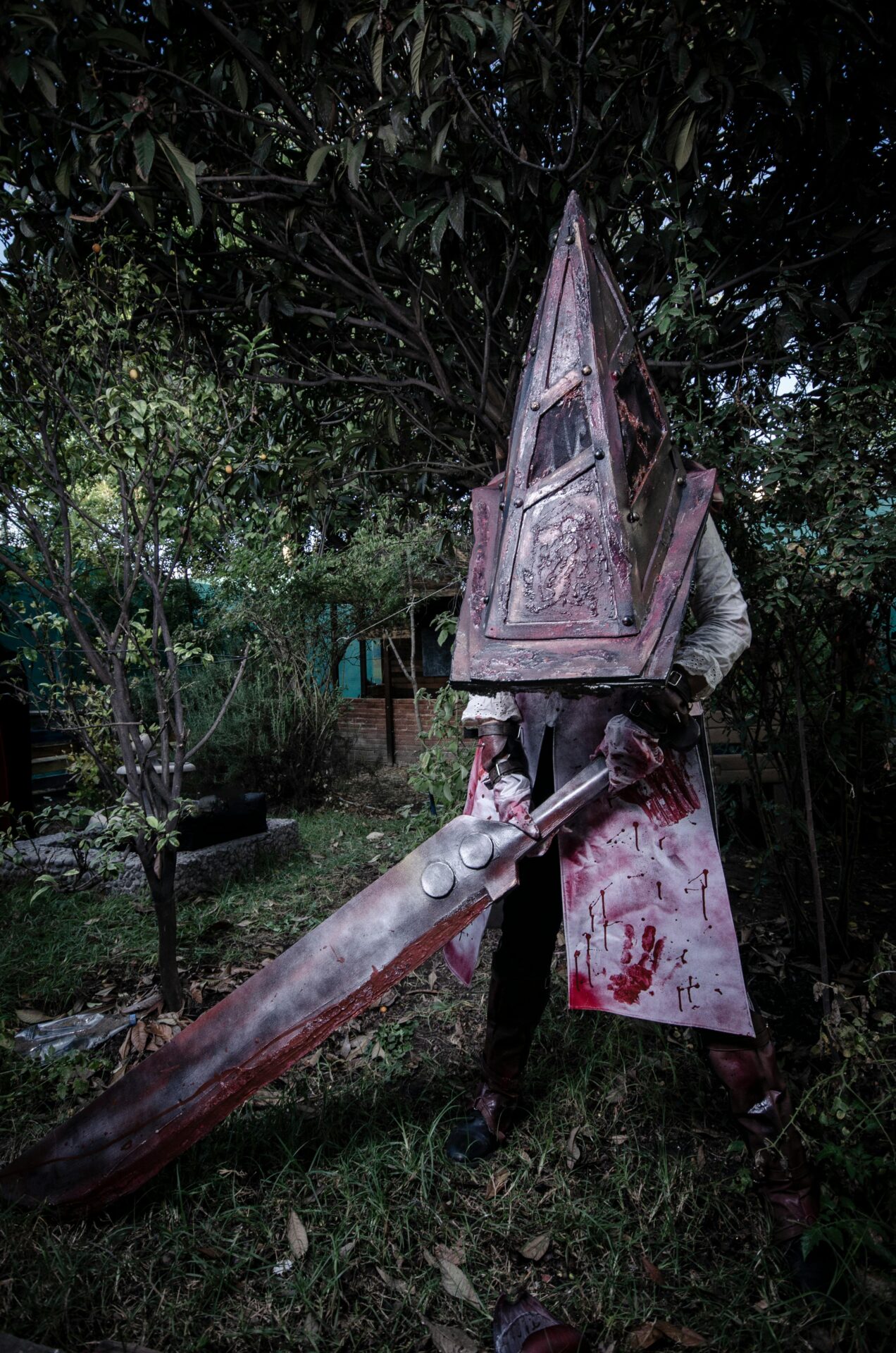
Friday the 13th and the Birth of the Slasher Survival Formula
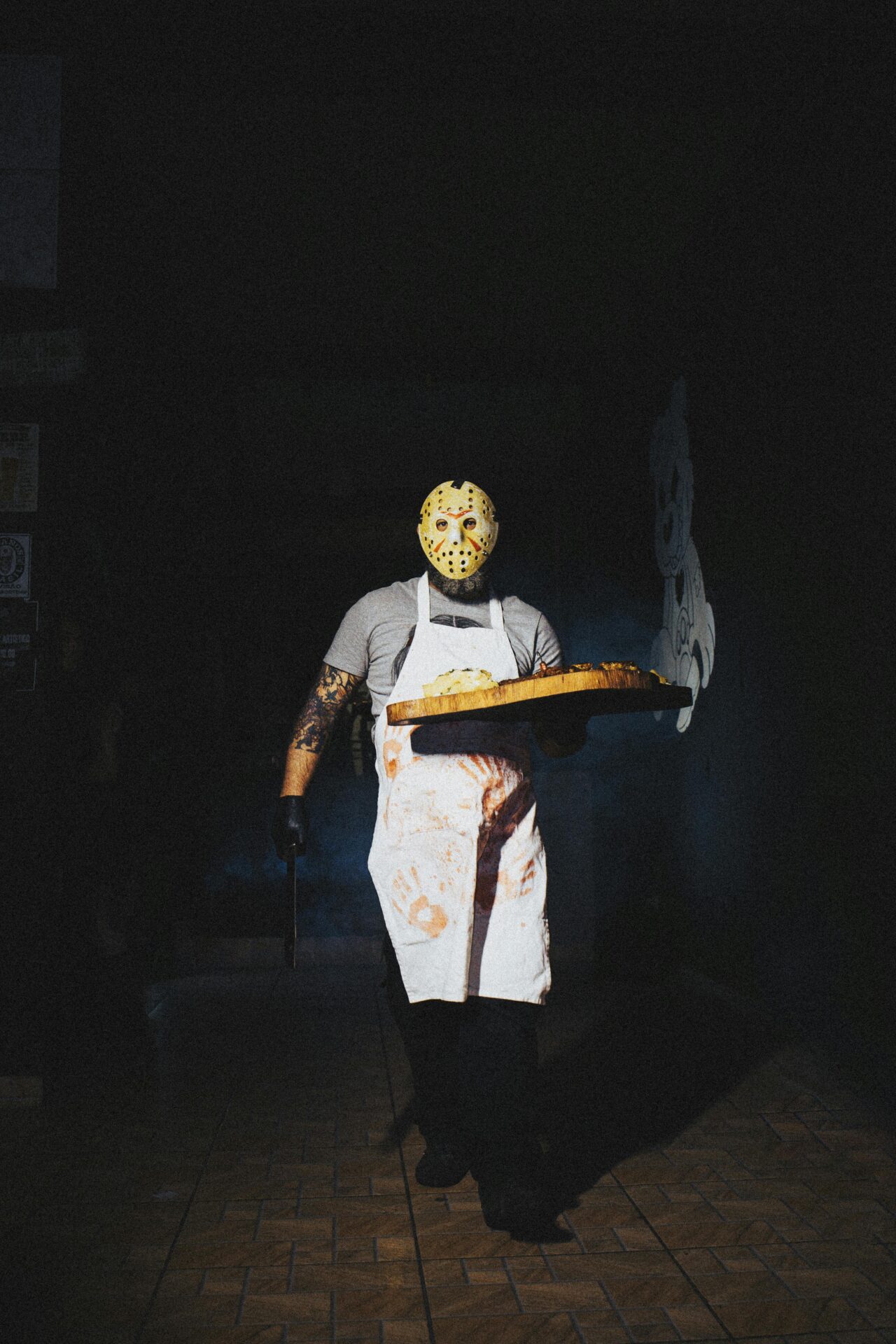
If Alien was about survival against an inhuman predator in space, Friday the 13th grounded the survival horror experience in the familiar terrain of the American wilderness. Released in 1980, Sean S. Cunningham’s low-budget slasher may not have been the first of its kind, but it crystallized a formula that turned horror into a predictable, ritualistic game of endurance—a deadly match where only the “Final Girl” survives.
Set at Camp Crystal Lake, the film presents a group of teens who are gradually and systematically eliminated by an unseen killer. What distinguishes Friday the 13th from earlier horror films is its emphasis on the process of elimination and the mechanics of survival. The audience knows the characters will die. The thrill lies in discovering how, when, and in what order. It’s the cinematic equivalent of a player moving through a dangerous level in a game, with each character representing a “life” that will inevitably be lost.
This pattern echoes game logic: isolated settings, limited weapons (or none at all), resourceful characters versus a relentless threat. The killer—later revealed to be Pamela Voorhees, and eventually her son Jason in the sequels—operates like an AI-driven opponent, omnipresent and adaptable. The environment, though open and natural, becomes a trap-laden maze. Cabins, forests, lakes—they all become stages in a brutal survival challenge.
Perhaps the most iconic trope birthed from Friday the 13th is the “Final Girl,” a term later coined by Carol J. Clover in her book Men, Women, and Chainsaws. The Final Girl, in this case Alice, is the lone survivor, often more morally “pure,” observant, and reluctant than her peers. Her survival is earned through awareness, not aggression. This concept would be mirrored in horror films for decades, reinforcing the game-like scenario where players (or viewers) subconsciously identify with the character who makes the smartest, not the bravest, decisions.
The franchise evolved into an even more overt survival challenge in its sequels, where new groups of teens are introduced only to be hunted. As in Alien, the setting becomes a familiar part of the game—the cabins, the docks, the tool sheds. Each location holds the promise of safety or danger, and part of the audience’s engagement is in mentally mapping the terrain and guessing the next move. The influence of this structure is visible in survival horror video games like Until Dawn, Friday the 13th: The Game, and The Quarry, which treat horror as a branching series of decisions where survival depends on player input.
In short, Friday the 13th didn’t just scare—it trained its viewers to think tactically, to anticipate danger, and to recognize that in the world of horror, survival is the ultimate objective.
Interactive Narratives and the Influence on Horror Gaming
The survival game structure introduced by films like Alien and Friday the 13th found fertile ground in the emerging world of video games, where interactivity and decision-making became key components of storytelling. Horror movies and survival horror games began to mirror each other in a feedback loop, with each medium borrowing structural elements from the other.
Games like Resident Evil, Silent Hill, and Fatal Frame built upon the principles seen in films: limited resources, hostile environments, and the need for strategic thinking. These games do not simply aim to frighten the player—they immerse them in scenarios where survival requires awareness, patience, and adaptability. This is no coincidence. These principles had already been tested and proven in cinema, where viewers responded positively to survival-focused narratives.
In games, however, the player is no longer a passive observer. They are the Final Girl, the Ripley, the Alice. They must choose where to go, what to carry, who to trust. This shift toward interactivity elevated the stakes in horror storytelling, blurring the line between film and game, spectator and survivor. The horror becomes personal when survival depends on the player’s choices.
The cinematic influence is especially evident in games like Until Dawn, which employs a branching narrative structure akin to a slasher film. Each character’s fate is determined by the player’s decisions, mimicking the logic of survival horror movies where bad choices lead to brutal ends. The game is filled with familiar tropes—remote locations, supernatural forces, and archetypal characters—but it invites players to navigate these tropes with agency.
In turn, these interactive formats began to inspire filmmakers. Horror films increasingly incorporated elements that mirrored game design: segmented action, puzzles to be solved, and a focus on exploration and survival. Films like Cube, The Descent, and Escape Room demonstrate this gamified narrative structure, placing characters in enclosed, trap-filled environments that must be navigated like dungeon levels. The viewer is invited to play along mentally, analyzing strategies and predicting outcomes.
Beyond the Monsters: The Psychology of Survival Horror
At the core of survival horror—whether in film or game—is the psychology of fear and the instinct to survive. What Alien and Friday the 13th achieved, and what countless successors have refined, is the ability to transform passive fear into active participation. These stories engage viewers not just emotionally, but intellectually and strategically.
Survival horror taps into a different kind of terror than supernatural horror or gore. It centers on the fear of helplessness, the anxiety of resource scarcity, and the dread of being hunted. It forces the audience or player to adopt a mindset of planning and reaction. The monster is not always the central figure; often, the environment itself is a threat, from the spaceship’s corridors to the wilderness of Crystal Lake to the twisted layouts of haunted mansions in games like Resident Evil.
This emphasis on survival creates a more immersive, sustained tension. The audience doesn’t just fear the jump scare—they fear what lies around every corner. The narrative becomes a series of escalating obstacles, and the horror lies in not knowing which decision leads to safety and which leads to death. This is why survival horror resonates so deeply—it mimics real-life decision-making under pressure, tapping into our primal instincts.
Furthermore, survival horror often allows for catharsis. The final moments of Alien or Friday the 13th aren’t just resolutions—they’re victories, hard-won through endurance, smarts, and sheer willpower. This kind of horror is not about succumbing to evil, but about outlasting it, about surviving the game with your identity (or your life) intact.
In conclusion, the transformation of horror movies into survival games represents a profound shift in how fear is structured and delivered. Films like Alien and Friday the 13th didn’t just introduce new monsters—they invited audiences to think differently about horror, to see it not just as a spectacle but as a challenge. They paved the way for immersive horror experiences that would redefine not only cinema but also interactive media. In doing so, they ensured that horror, like any great game, is never just about watching—it’s about surviving.