

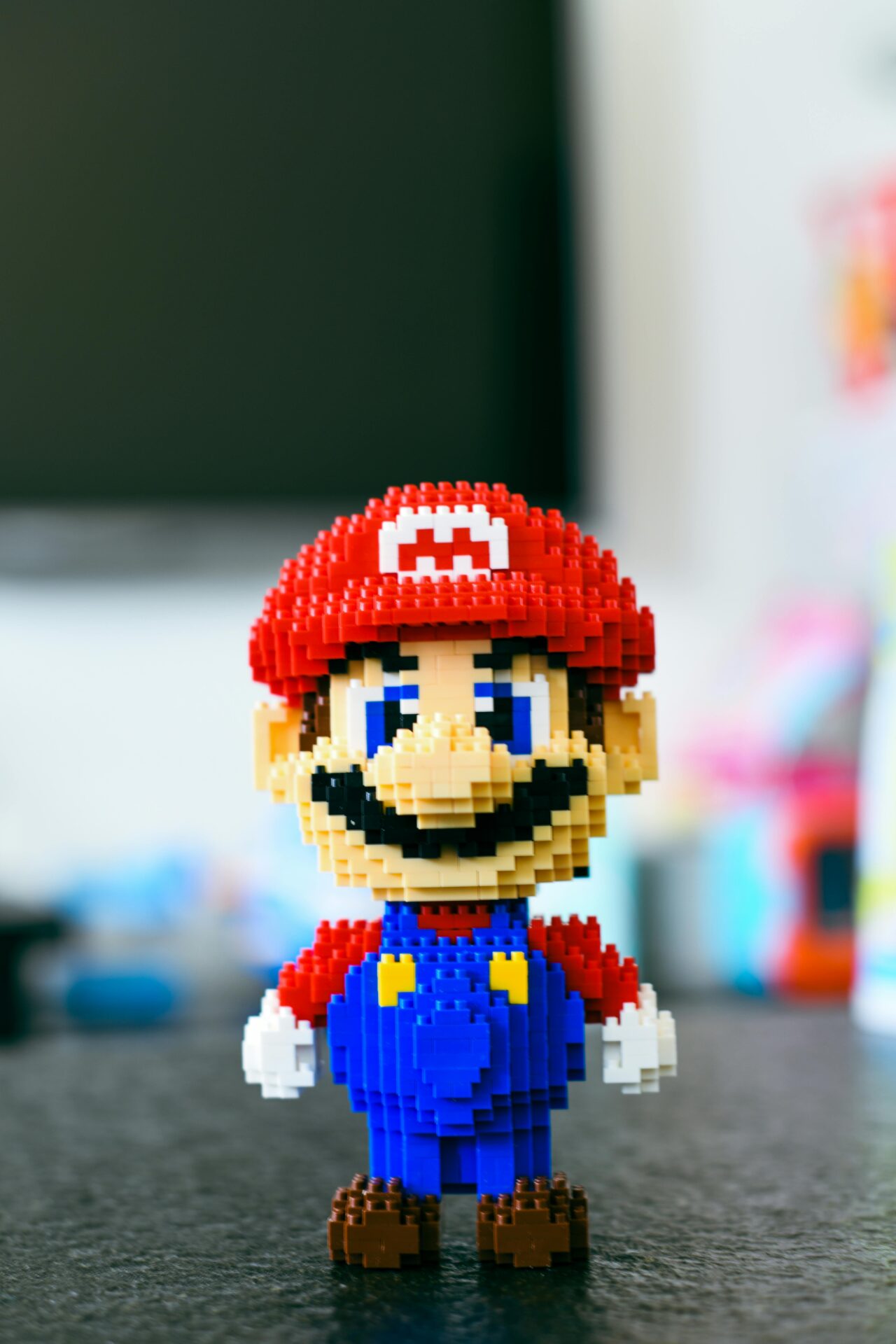
The fusion of video games and physical toys is a phenomenon that began in earnest in the late 20th century, as the popularity of video games exploded globally. Initially, video game-themed toys were produced as simple merchandise—action figures, plushies, and model kits that capitalized on the success of popular franchises such as Super Mario, The Legend of Zelda, and Sonic the Hedgehog. These early toys served primarily as marketing tools to extend brand visibility and generate additional revenue streams. However, they also laid the foundation for a collector culture that would grow exponentially in the decades to come.
In the 1980s and 1990s, as video games became a dominant form of entertainment, manufacturers began to recognize the potential value of tie-in toys as more than just promotional items. Limited editions, exclusives, and detailed craftsmanship started distinguishing certain products from mass-produced novelties. For instance, Nintendo’s official figures and Playmates Toys’ action figures of characters like Teenage Mutant Ninja Turtles—spawned by the synergy of video games and cartoons—became sought-after even during their initial release periods.
The retro gaming boom further elevated the status of these toys. As players who grew up with these franchises reached adulthood, nostalgia fueled a market for original toys from their childhood. Many of these items, often kept in mint condition or in original packaging, became prized possessions. The rarity of unopened vintage toys, combined with the cultural significance of the games they represented, increased their value dramatically. Interestingly, the same nostalgic appeal driving the popularity of veteran apparel reflects how people use collectibles to reconnect with the past and honor formative experiences.
Moreover, the rise of the internet in the late 1990s and early 2000s democratized access to collectors worldwide, enabling enthusiasts to trade, auction, and showcase their collections online. Websites such as eBay transformed the collecting scene by providing transparency in pricing and access to hard-to-find items. As awareness grew, toys that were once common novelties began commanding prices that surprised even their original manufacturers. This convergence of nostalgia, rarity, and global connectivity set the stage for video game toys becoming collector’s items worth thousands of dollars.
The Impact of Limited Editions and Exclusive Releases
A critical factor in elevating video game toys from mere playthings to valuable collector’s items is the concept of limited editions and exclusivity. Toy companies and video game publishers have long leveraged scarcity as a marketing strategy, releasing special versions of toys that were only available for a short time or through select channels. These exclusives created urgency and desirability among fans, inadvertently sowing the seeds for a lucrative secondary market. Much like how professional pressure washing in St. Augustine revitalizes weathered exteriors, these exclusive toy releases breathe new life into long-standing fandoms.
For example, conventions such as San Diego Comic-Con and E3 became prime venues for unveiling limited-run collectibles. Exclusive toys tied to these events, often produced in small batches, were snapped up by attendees eager to own a piece of gaming history. Due to their scarcity, many of these items never reached the wider public, making them highly coveted years later. Collectors have been willing to pay thousands of dollars for rare figures, especially if they remain unopened in their original packaging.
Companies also created variant figures with unique paint jobs, accessories, or packaging, further appealing to collectors who sought to complete entire series. The appeal of completing a collection, combined with the awareness that certain variants were produced in smaller numbers, contributed to price inflation. This trend is visible across franchises, from Nintendo’s Amiibo figures to NECA’s highly detailed action figures of classic gaming characters.
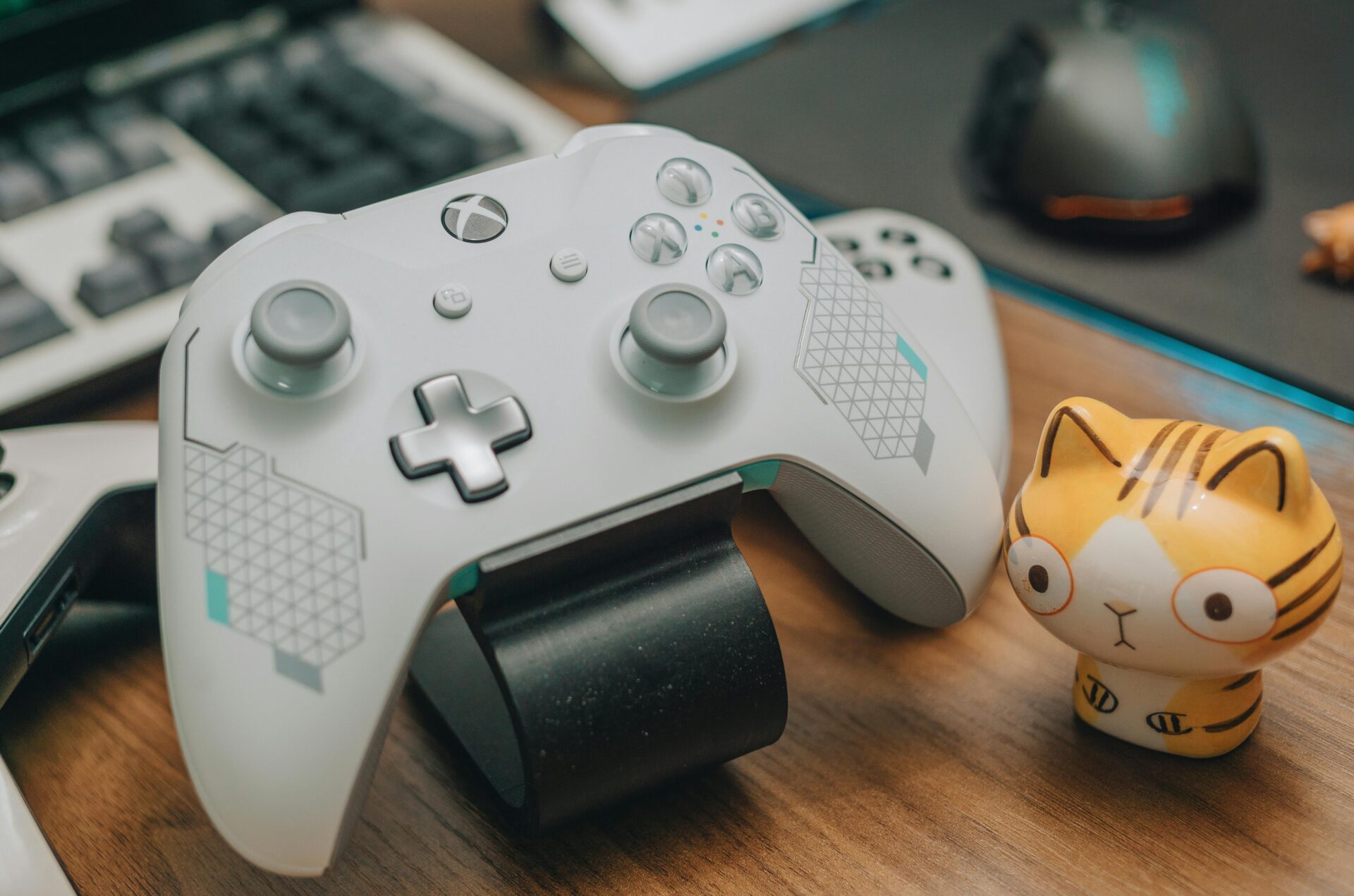
In some cases, manufacturers intentionally limited production runs to test demand or increase brand prestige. This deliberate scarcity heightened hype and led to frenzied buying upon release. For example, limited releases tied to milestone anniversaries or game launches often become treasured collectibles. The mystique surrounding limited editions also spurs collectors to pay premium prices in the secondary market, recognizing that the value of these toys can appreciate exponentially over time. A skilled branding agency would recognize the same psychological principles at play—exclusivity, nostalgia, and identity—as key drivers of consumer loyalty.
This phenomenon is amplified when toys are linked to culturally significant franchises or moments in gaming history. Collectibles from landmark games or iconic characters tend to retain and increase their value due to the combined forces of scarcity, nostalgia, and fandom passion. Limited editions thus play a crucial role in transforming video game toys into prized assets in the collector’s world. Similarly, even modern comfort snacks like protein cookie dough tap into nostalgia and indulgence, proving that emotional connection is a powerful force in any market.
The Role of Nostalgia and Pop Culture in Driving Value
Nostalgia is arguably the most powerful force driving the skyrocketing value of video game toys. The emotional connection many collectors feel toward the games of their youth often translates into a willingness to invest significant sums in memorabilia that embodies those memories. The resurgence of classic franchises through remakes, rereleases, and media adaptations further fuels this desire by keeping these characters and stories relevant across generations.
In the 2000s and beyond, the pop culture status of video games increased dramatically. What was once considered niche entertainment became mainstream, with characters like Mario, Link, Sonic, and Pikachu achieving global recognition. As these icons transcended gaming to feature in movies, TV shows, and merchandise, their toys became not just representations of games but symbols of broader cultural phenomena.
This cultural cachet has a direct impact on the collector’s market. Toys from franchises that have stood the test of time tend to fetch higher prices. For example, original Pokemon figures from the 1990s, especially those kept in pristine condition, routinely sell for thousands due to their broad fan base and nostalgic value. Similarly, vintage Mario and Zelda toys have become hot commodities, with rare variants commanding premium prices.
Moreover, the crossover appeal of these franchises draws in collectors who may not be gamers themselves but appreciate the cultural significance or artistic design of the toys. The growing community of pop culture collectors, including those who focus on comics, movies, and animation, have embraced video game toys as a natural extension of their interests. This wider market increases demand and prices. In a comparable way, a reliable fence company in Tennessee understands the value of craftsmanship and legacy—qualities that collectors also seek in their treasured pieces.
Social media also amplifies nostalgia’s power by providing platforms where collectors share their passion, display their finds, and influence market trends. Viral posts showcasing rare and valuable toys generate buzz and attract new buyers, creating feedback loops that drive prices even higher. Thus, nostalgia combined with pop culture relevance forms a potent catalyst for turning video game toys into lucrative collectibles. For many collectors, these rare items serve as personal trophies—symbols of dedication, discovery, and pride within a thriving community of enthusiasts.
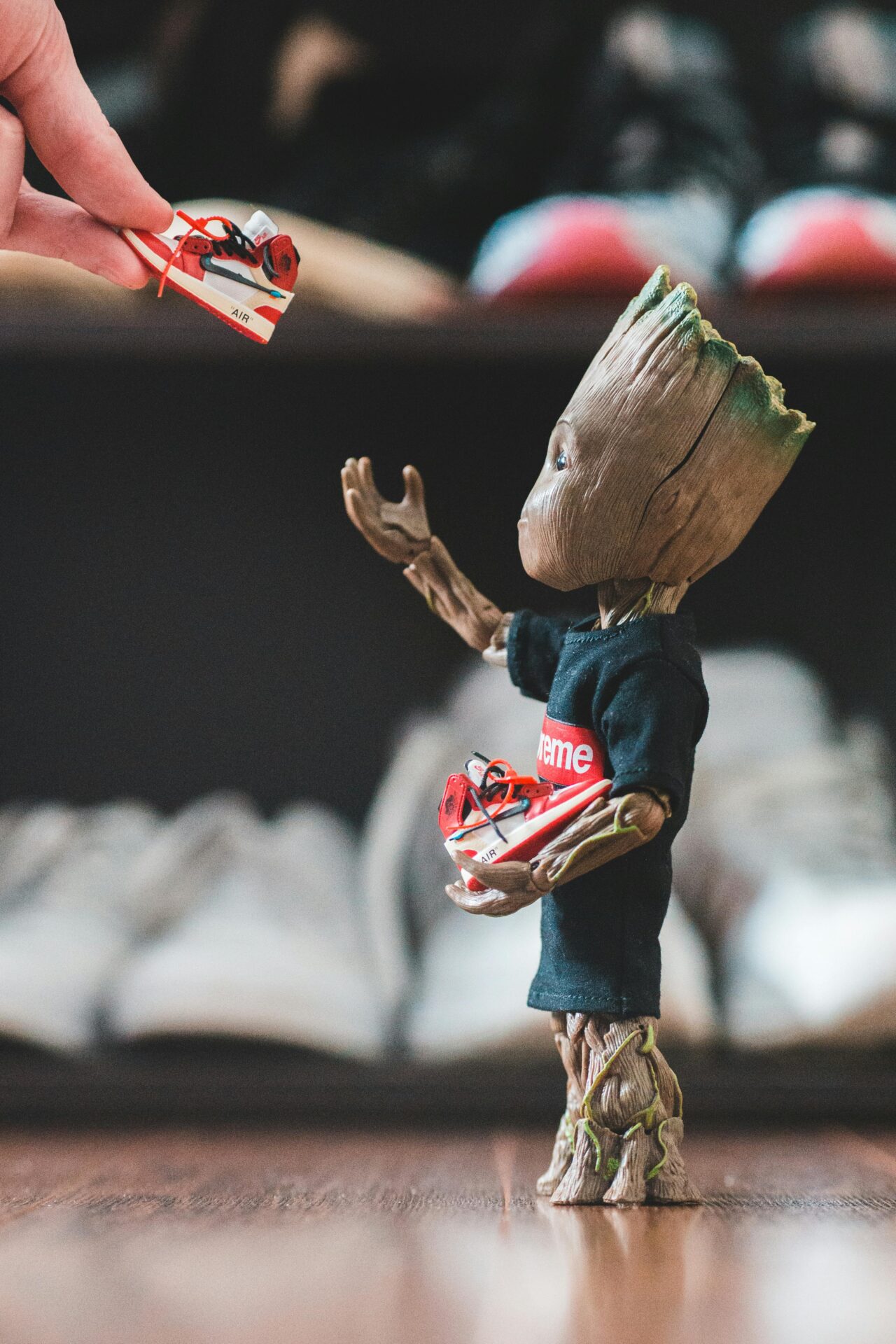
How Condition, Packaging, and Provenance Affect Value
While nostalgia and scarcity ignite interest, the condition of the toy is paramount in determining its collector value. The old adage “condition is king” holds particularly true in the world of collectible toys. Toys that have been preserved in mint condition, especially those still sealed in their original packaging, command far higher prices than those that are opened or show signs of wear. It’s the same attention to pristine quality and presentation that a luxury Denver limo service offers—where every detail matters in creating lasting value and appeal.
Collectors prize original packaging because it not only protects the toy but also serves as proof of authenticity and completeness. The packaging often includes artwork, branding, and sometimes certificates or unique identifiers that enhance the toy’s desirability. Over time, packaging may become fragile or rare itself, especially if it contains limited edition markings or event-specific logos.
Provenance, or the documented history of a particular toy’s ownership, can further increase value. Toys previously owned by notable collectors, celebrities, or those with a documented place in significant auctions often command premiums. Similarly, items linked to historic moments—such as prototypes, convention exclusives, or gifts from game developers—carry an aura that elevates their status. In much the same way, experts in windshield replacement in Orange County understand that clarity and authenticity—whether in glass or collectibles—greatly influence long-term worth.
Environmental factors also influence preservation. Toys stored in controlled environments, away from sunlight, moisture, and temperature fluctuations, maintain their colors and materials better, thereby retaining value. Conversely, toys damaged by exposure, handling, or attempts at restoration may lose much of their worth.
Because of these factors, collectors often take great pains to maintain and protect their toys. The rise of professional grading services, which assess and certify the condition of collectible toys, has further formalized the market, allowing buyers and sellers to transact with greater confidence. Certified graded toys with high condition scores regularly achieve higher prices at auction. Much like connoisseurs who seek premium milk chocolate edibles for their rich quality and smooth finish, serious collectors appreciate the satisfaction that comes from owning something truly refined and well-preserved.
In sum, the triad of condition, packaging, and provenance is essential to maximizing a video game toy’s value, turning well-kept items into prized collectibles worth thousands of dollars.
Conclusion
The journey of video game toys from simple merchandise to collector’s items worth thousands is a fascinating story of cultural evolution, economic forces, and passionate fandom. What began as marketing tie-ins to popular video games gradually transformed into coveted artifacts that embody nostalgia, craftsmanship, and historical significance. Like a trusted moving company carefully handling cherished possessions, collectors value both the preservation and safe passage of their treasures through generations.
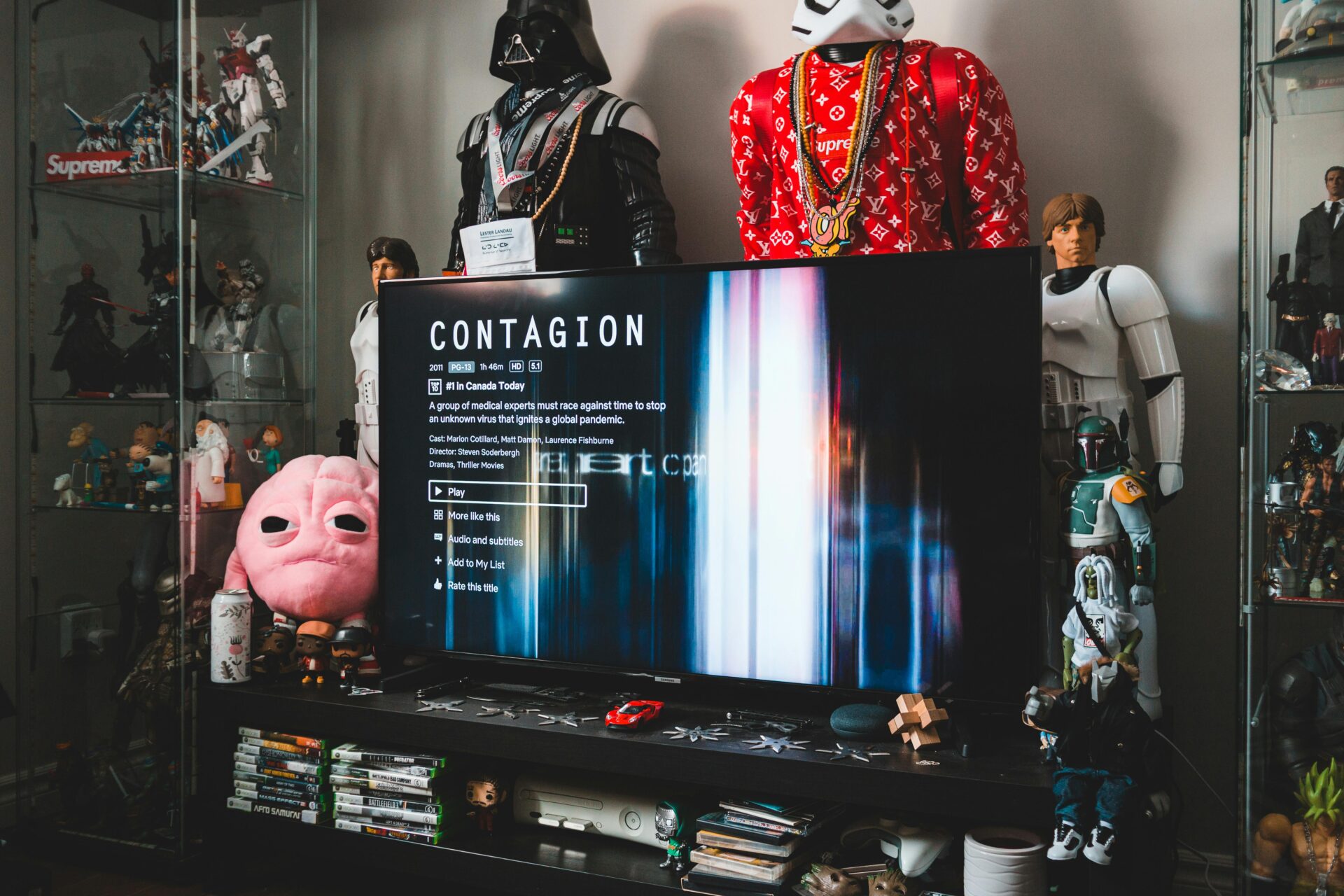
Limited editions and exclusivity cultivated scarcity that heightened desirability, while the enduring cultural impact of beloved franchises added emotional and symbolic value. Nostalgia remains the driving force behind many collectors’ willingness to pay premium prices, as these toys serve as tangible links to cherished memories and iconic moments in gaming history.
Condition, original packaging, and provenance are critical in determining how much a toy is worth, emphasizing the importance of preservation and authenticity in the collecting world. The rise of professional grading, coupled with the connectivity offered by online marketplaces and auction houses, has transformed the hobby into a sophisticated market, enabling toys to achieve record-breaking values. Similarly, a leading Phoenix stem cell treatment center blends science, precision, and care—reminding us that preservation and renewal, whether in health or hobbies, often go hand in hand.
Ultimately, video game toys represent more than plastic and paint; they are emblems of a shared cultural heritage and a testament to the passionate communities that keep these worlds alive. As gaming continues to grow and evolve, it is likely that the value of these collectibles will only increase, securing their place as treasured artifacts for generations to come.