

The Galapagos Islands are often referred to as a “living laboratory of evolution” for a good reason. Situated 600 miles off the coast of Ecuador, this volcanic archipelago is home to some of the most unique species in the world. From the giant tortoises to the marine iguanas, many of the creatures found here are not seen anywhere else on Earth. The islands’ isolation, diverse ecosystems, and distinct wildlife make the Galapagos a truly fascinating destination for nature lovers and biologists alike and to see it all you can start with some great Galapagos luxury tours. Let’s explore some of the unique species that make these islands so extraordinary and the role they play in understanding evolution.
1. The Giant Tortoises: Icons of the Galapagos
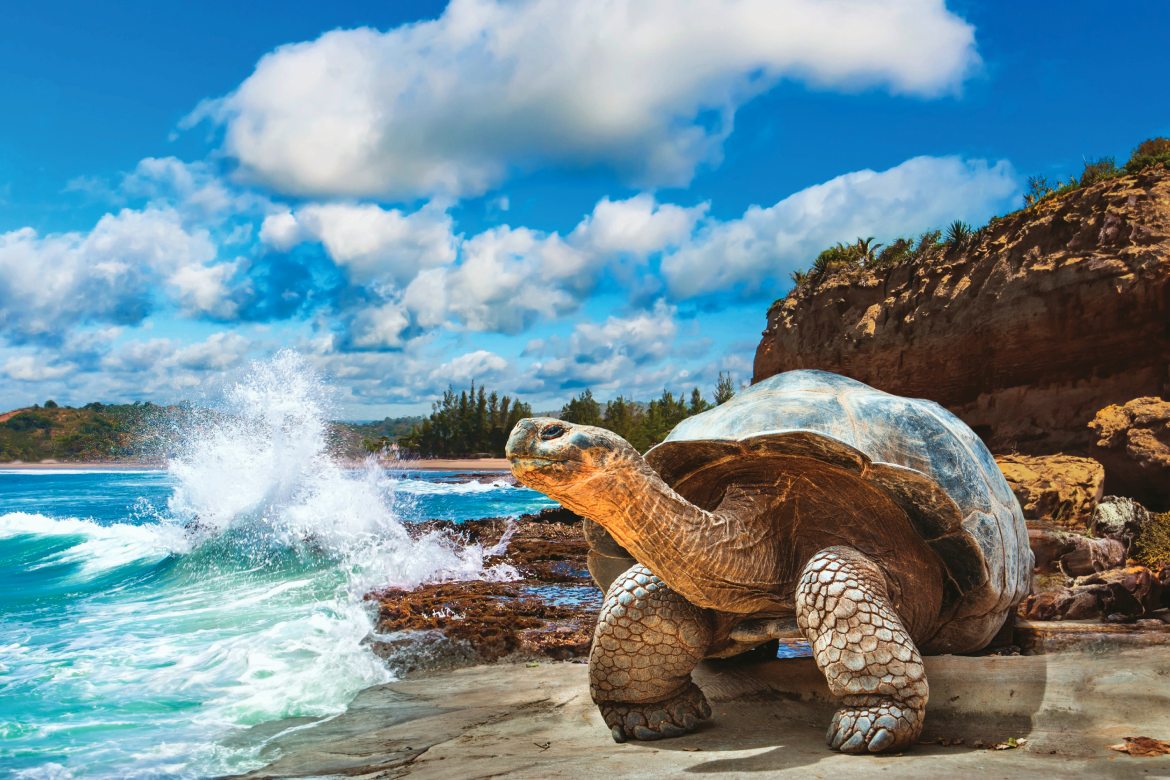
One of the most recognizable inhabitants of the Galapagos Islands is the giant tortoise. Weighing up to 500 pounds and living for more than 100 years, these gentle giants are a living testament to the islands’ ancient ecosystems. Each island has its own subspecies of giant tortoise, shaped by the unique environment and conditions of their home. For instance, tortoises on larger, wetter islands have domed shells, while those on drier islands often have saddleback shells that allow them to reach higher vegetation.
The giant tortoises played a significant role in Charles Darwin’s formulation of his theory of evolution. Observing the differences between tortoise populations across the islands, Darwin noted how these variations were influenced by each island’s climate and resources. Today, conservation efforts aim to protect these ancient creatures from threats like habitat loss and introduced species, ensuring their continued survival as icons of the Galapagos.
2. Marine Iguanas: The Only Sea-Going Lizards
Another remarkable species found only in the Galapagos is the marine iguana—the world’s only lizard that has adapted to life in the sea. These black, spiky reptiles can often be seen basking on the rocky shores, warming up before diving into the ocean to graze on algae. Their flattened tails, strong claws, and specialized glands to expel salt allow them to thrive in the harsh marine environment.
Marine iguanas are a striking example of evolutionary adaptation. When Darwin first encountered them, he described them as “hideous-looking,” but he soon realized that their unique physical traits were a perfect match for their lifestyle. Their ability to forage underwater for food is a rare trait among reptiles and showcases the islands’ capacity to nurture unusual evolutionary paths. Sadly, marine iguanas are also vulnerable to environmental changes, making them a focus of ongoing conservation efforts.

3. Darwin’s Finches: The Birds That Inspired a Theory
No exploration of the Galapagos’ unique species would be complete without mentioning Darwin’s finches. These small birds, which vary greatly in beak shape and size, were instrumental in Darwin’s development of his theory of natural selection. There are over a dozen species of finches across the islands, each one adapted to a specific ecological niche. For example, some finches have large, powerful beaks for cracking seeds, while others have slender, pointed beaks ideal for catching insects.
What makes Darwin’s finches so important is that they demonstrate adaptive radiation—the process by which a single species evolves into multiple species, each adapted to a different environment. Their story continues to be studied by scientists today, offering new insights into how environmental pressures can drive evolutionary change in a relatively short period.
The Galapagos Islands are a living testament to the power of evolution and natural selection. Every creature, from the mighty tortoises to the tiniest finch, tells a story of adaptation, survival, and change. For scientists, conservationists, and travelers alike, the Galapagos remains a place of discovery and wonder—a true living laboratory of evolution.