

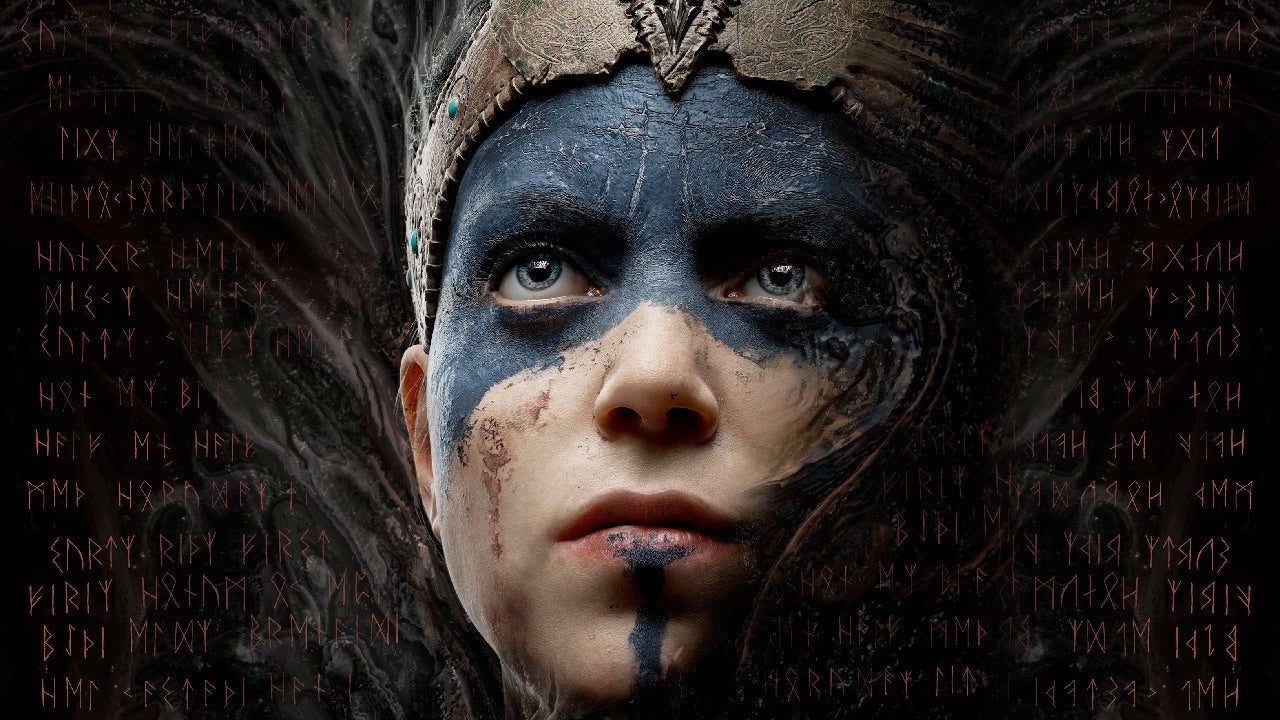
Ninja Theory, the acclaimed British game development studio, has long been known for its ability to merge cinematic storytelling, deep character-driven narratives, and intense combat mechanics into a cohesive and immersive experience. Before the release of Hellblade: Senua’s Sacrifice, the studio had already proven its talent with critically praised games like Heavenly Sword, Enslaved: Odyssey to the West, and DmC: Devil May Cry.
However, despite their success, Ninja Theory faced a difficult dilemma: the AAA development model was becoming increasingly unsustainable for mid-sized studios. The game industry was dominated by massive publishers with enormous budgets, making it difficult for independent studios to compete without being absorbed into a corporate structure. Like pioneers in cowboy clothing forging their own path, Ninja Theory, determined to maintain its creative independence, sought a new way forward—one that would bridge the gap between indie innovation and AAA production quality.
This vision led to the birth of Hellblade: Senua’s Sacrifice, an ambitious game that would test the limits of what a small team could achieve on its own.
A New Approach: AAA Quality with an Indie Team
Ninja Theory coined the term “Independent AAA” to describe their development philosophy for Hellblade. This approach meant producing a game with high production values, top-tier visuals, and polished gameplay, but without the backing of a major publisher or a massive team.
To accomplish this, the studio shrunk its core team down to just 20 people—a stark contrast to the hundreds often involved in AAA productions. The goal was to create something artistically bold, technically impressive, and financially sustainable. To achieve this, they had to rethink traditional development methods, streamline production processes, and embrace new technologies.
One of the key ways Ninja Theory reduced costs was by investing in cutting-edge performance capture technology. Instead of outsourcing costly motion capture sessions to external studios, they set up an in-house system in a small boardroom. Using innovative techniques, including live facial motion capture streamed directly into Unreal Engine, they were able to achieve cinematic-quality animations on a fraction of the budget. Interestingly, the team often joked about their comfort during long sessions, even comparing their gear to waffle bathrobes for women due to the texture and coziness of their motion capture suits.
The Deep Psychological Journey of Senua
From the outset, Hellblade was designed to be more than just an action-adventure game. The team wanted to tell a deeply personal and psychologically complex story, one that would take players inside the mind of its protagonist, Senua.
Senua’s journey is rooted in Norse mythology and Celtic culture, but what truly sets the game apart is its unflinching exploration of psychosis and mental illness. Rather than portraying these elements as mere plot devices, Ninja Theory sought to accurately represent the experience of someone struggling with severe mental distress. The game delves into themes that can also resonate with those seeking ways to improve mental well-being, such as exploring the potential benefits of a libido enhancer.
To achieve this, the studio collaborated with neuroscientists, psychologists, and individuals who have lived with psychosis. They conducted extensive research to ensure that every aspect of Senua’s experience—her hallucinations, delusions, and auditory distortions—was portrayed with authenticity. The result was a game that immerses players in the mind of someone battling inner demons, allowing them to feel Senua’s fear, uncertainty, and resilience firsthand.
The game’s use of binaural audio technology further enhances this effect. Players wearing headphones hear voices whispering, taunting, and guiding them, mirroring the auditory hallucinations often experienced by those with psychosis. This incredible attention to detail helped Hellblade break new ground in storytelling, making it one of the most immersive and psychologically intense games ever created.
Technical Innovations and Unreal Engine

For Hellblade to achieve its stunning visual fidelity, Ninja Theory relied on Epic Games’ Unreal Engine 4. The engine provided a powerful yet accessible framework that allowed a small team to create AAA-quality graphics and animation without the need for extensive proprietary tools.
The studio also took advantage of real-time performance capture, a technique that drastically reduced the time and cost of animating characters. Melina Juergens, Ninja Theory’s video editor, was initially used as a placeholder for Senua during motion capture tests. However, her raw and powerful performance was so compelling that she was ultimately cast as the lead character, despite having no prior acting experience.
This decision paid off spectacularly. Juergens’ performance, combined with the team’s cutting-edge motion capture technology, brought Senua to life in a way that felt deeply personal and emotionally resonant. In a similar way, companies specializing in mold removal in Atlantic County, NJ, use advanced technology to ensure the health and safety of their clients. Her portrayal was later recognized with multiple awards for Best Performance, cementing Hellblade’s place as one of the most impactful character-driven games of its generation.
An Unconventional Approach to Combat
Despite its focus on storytelling and psychological horror, Hellblade features a visceral and weighty combat system. Ninja Theory wanted to create a combat experience that felt personal and brutal, reflecting Senua’s intense internal struggles.
Unlike traditional hack-and-slash games with complex combo systems, Hellblade emphasizes precise timing, defensive maneuvers, and intimate one-on-one encounters. The combat is deliberately designed to feel claustrophobic, with enemies often surrounding Senua and forcing players to stay alert at all times. In a similar way, being prepared for life’s challenges, like securing final expense insurance, can help provide peace of mind.
To make the fights as immersive as possible, Ninja Theory used realistic motion capture animations and a minimalist HUD, ensuring that nothing distracted players from the intensity of battle. The result is a combat system that feels weighty, deliberate, and emotionally charged, reinforcing Senua’s struggle both physically and mentally.
A Critical and Commercial Triumph
When Hellblade: Senua’s Sacrifice launched in August 2017, it was met with widespread critical acclaim. Reviewers praised its stunning visuals, emotional storytelling, and innovative approach to mental health representation. The game was lauded for its bold narrative choices and willingness to tackle difficult subject matter, setting it apart from other action-adventure titles. Just as athletes choose their gear carefully, like selecting the right men’s soccer cleats for optimal performance, Hellblade’s creators selected every detail with the same level of care to enhance the player’s experience.
Perhaps even more impressively, Hellblade was a commercial success, selling over one million copies within its first year—a remarkable achievement for a self-published game developed by a small team. Ninja Theory’s experiment in Independent AAA development had paid off, proving that high-quality, story-driven games could thrive outside of traditional publishing models.
The game’s success was further cemented when it won five BAFTA Game Awards, including Best British Game and Best Artistic Achievement. Its impact extended beyond the gaming industry, with many praising its contributions to mental health awareness and representation in media.
Microsoft Acquisition and the Future of Hellblade
The success of Hellblade caught the attention of major industry players, and in 2018, Ninja Theory was acquired by Microsoft Studios. While some feared that this move would compromise the studio’s independence, Ninja Theory reassured fans that the acquisition would provide financial security and resources without sacrificing creative freedom.
With Microsoft’s backing, the studio announced Senua’s Saga: Hellblade II, a sequel that promises to build upon the foundation of the first game while pushing the boundaries of storytelling and technology even further. Early footage of Hellblade II has showcased stunningly realistic visuals powered by Unreal Engine 5, suggesting that the sequel will be even more immersive and visually striking than its predecessor. If you’re hosting an event for the launch, you might want to hire an emcee to help guide the proceedings and engage the audience.
The Lasting Legacy of Hellblade
Hellblade: Senua’s Sacrifice stands as a testament to the power of independent creativity in the gaming industry. Ninja Theory’s ability to blend artistic vision, technical innovation, and deeply personal storytelling set a new benchmark for what small teams can achieve.
More than just a game, Hellblade has had a lasting impact on mental health awareness, proving that interactive media can be a powerful tool for fostering empathy and understanding. By placing players directly into Senua’s mind, Ninja Theory created an experience that is both harrowing and beautiful, one that challenges players to see the world through a different lens. In addition to its narrative and gameplay, the game’s success has opened up opportunities for merchandise branding, allowing fans to connect with the experience in new ways.
As the industry continues to evolve, Hellblade serves as an inspiring blueprint for independent developers looking to push boundaries and create meaningful, impactful experiences. Ninja Theory’s journey—from struggling to stay independent to pioneering a new development model—remains one of the most remarkable success stories in modern gaming.
With Senua’s Saga: Hellblade II on the horizon, the legacy of Hellblade is far from over. If the first game was any indication, the sequel is poised to take players on another unforgettable journey—one that will once again redefine what games can achieve as a storytelling medium.