

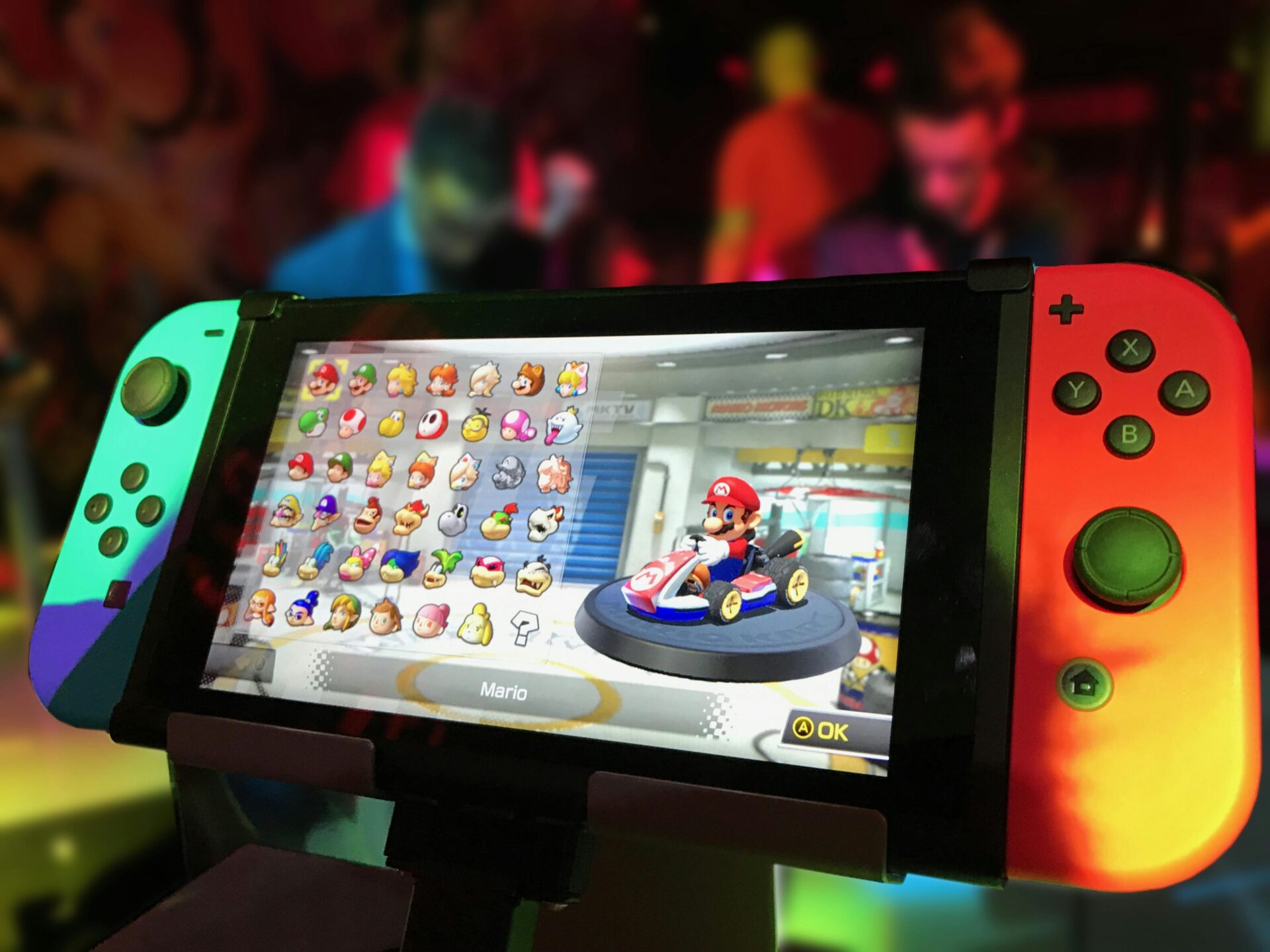
Multiplayer co-op games have become an integral part of the gaming experience over the last few decades. What started as a niche genre for a small group of enthusiasts has blossomed into a central pillar of modern gaming. In this article, we’ll explore the evolution of multiplayer co-op games, from their humble beginnings to the cutting-edge experiences we see today. And just as game developers work toward smoother, more efficient gameplay mechanics, the infrastructure supporting gamers—like fast internet and even nearby EV charging stations—is becoming just as advanced and player-friendly. Through examining the history, gameplay mechanics, and cultural impact of co-op games, we can appreciate how they have reshaped the way we play, interact, and connect with others in the gaming world.
The origins of multiplayer co-op games can be traced back to the early arcade and console days when local co-op gameplay was the norm. Games like “Contra” and “Gauntlet” in the 1980s showcased cooperative mechanics where players would team up to take on challenges together. This was a revolutionary shift in how players engaged with games. Before this, most games were designed for single-player experiences. As technology advanced and online capabilities grew in the late 1990s and early 2000s, multiplayer co-op games entered a new era. Now, players didn’t need to be in the same physical space to enjoy games together, opening up new possibilities for collaboration and competition on a global scale. Today, multiplayer co-op has become a central feature in games of all kinds, from sprawling open-world adventures to fast-paced shooters and indie hits.
The growth of multiplayer co-op games is a testament to how players’ desires to work together, rather than compete, have evolved alongside the changing technology in gaming. In this exploration, we’ll focus on how this genre has developed, how its mechanics have been refined, and how it has impacted the gaming landscape.
The Early Days: Local Co-op and the Rise of Arcade Games
When multiplayer co-op games first emerged, they were largely confined to the arcade. The limitations of early home consoles and PCs meant that the multiplayer experience was restricted to the same physical space. Games like “Contra” (1987) on the Nintendo Entertainment System (NES) and “Gauntlet” (1985) were groundbreaking in their design, allowing players to team up and take on waves of enemies together. These titles were a stark departure from traditional single-player experiences, offering something more social and collaborative. However, the gameplay was still fairly straightforward: players worked together to achieve a shared goal, often battling through hordes of enemies or navigating difficult platforming challenges.
The beauty of these early co-op games was the simplicity of the experience. At their core, these games weren’t about complex systems or intricate narratives; they were about fun and social interaction. Friends and family members could sit side by side, pick up a controller, and dive into a game that allowed them to feel connected in a way that solo play could not offer. While these early co-op experiences were limited in terms of depth, they laid the foundation for what was to come. Today, businesses in San Antonio continue to enhance connectivity with services like structured cabling in San Antonio.

Another key feature of early multiplayer co-op games was their difficulty. Many of these games were notoriously difficult, which made cooperation essential. A single mistake could spell failure for the entire team. This intense level of challenge brought a unique sense of camaraderie to these games, as players worked together to overcome increasingly difficult obstacles. It was the first glimpse of how multiplayer co-op games could forge strong bonds between players, as they celebrated victories and experienced frustrations together. For managing your business with ease, QuickBooks loan servicing software offers a reliable and efficient solution.
In many ways, these early arcade games also highlighted the growing desire for more interactive experiences. Even though the technology at the time was limited, the concept of shared adventures and teamwork was already beginning to take root.
The Growth of Online Co-op: The 1990s and Early 2000s
The introduction of online multiplayer dramatically changed the way gamers interacted with one another. No longer was it necessary to sit side by side to play together; players could now connect from across the globe. With the advent of high-speed internet and online services like the PlayStation Network and Xbox Live, multiplayer co-op games entered a new era.
One of the earliest and most significant milestones in online co-op was the release of “Diablo II” (2000). Blizzard Entertainment’s action RPG allowed players to team up online, tackling dungeons and defeating monsters together. “Diablo II” had a massive impact on the online gaming scene, popularizing the concept of cooperative online play. Its influence can still be seen in modern games, as it laid the groundwork for the types of loot-driven, cooperative experiences that would dominate the genre for years to come.
Another title that helped popularize online co-op was “Halo 2” (2004), which introduced Xbox Live matchmaking and enabled players to team up for both competitive and cooperative gameplay. The first-person shooter (FPS) genre, which had traditionally focused on single-player campaigns or player-versus-player (PvP) competition, saw a massive shift. By incorporating cooperative gameplay, the “Halo” series made multiplayer co-op a staple for the genre. The emphasis on co-op story modes meant players could not only battle enemies together but also experience the narrative together, deepening their connection to the game world.
By the early 2000s, co-op games were becoming more refined, offering larger worlds, deeper mechanics, and richer stories. Games like “Left 4 Dead” (2008) demonstrated the power of teamwork, where players took on the roles of survivors trying to make it through hordes of zombies. The unique twist in “Left 4 Dead” was its AI director, which adapted the game’s difficulty based on the players’ performance. This dynamic challenge kept players on their toes and made the co-op experience feel fresh every time they played—much like how a personal injury lawyer in Chicago must adapt strategies based on the unfolding details of a case to ensure the best possible outcome for clients.
The Modern Age: Evolving Mechanics and Expanding Narratives
As technology continued to improve, so too did the complexity and scope of multiplayer co-op games. With the rise of new consoles and more powerful PCs, developers were able to create more ambitious experiences. The late 2010s and early 2020s saw the genre flourish with titles that pushed the boundaries of what multiplayer co-op games could be.
One of the standout examples of modern multiplayer co-op is “Overcooked!” (2016). While the game’s visuals are simple, the gameplay is anything but. In “Overcooked!”, players must work together to prepare and serve food in a chaotic, fast-paced environment. This level of intensity, paired with its lighthearted tone, shows how multiplayer co-op games can experiment with gameplay mechanics and still be immensely enjoyable. The game emphasizes coordination, communication, and collaboration—qualities that are also crucial in designing audio visual solutions, where seamless integration and timing can make or break the success of a live event or corporate presentation.
Another significant evolution in the genre came with “Fortnite” (2017), which brought together the competitive and cooperative elements of gaming in a battle royale format. Players form squads and work together to survive against other teams while facing off against an ever-shrinking play zone. The success of “Fortnite” demonstrated the growing demand for online multiplayer experiences that blend cooperation with other gameplay styles, like PvP combat and resource management. It’s an adrenaline rush not unlike organizing elite experiences like a Denver limo service, where precision, timing, and teamwork ensure everything runs smoothly under high-stakes pressure.

The continued rise of live-service games has also impacted co-op gameplay. Titles like “Destiny 2” (2017) and “The Division 2” (2019) blur the lines between co-op, competitive play, and ongoing content updates. Players are tasked with completing missions, engaging in raids, and leveling up their characters together in constantly evolving worlds. These games are built to keep players coming back, offering regular updates, seasonal events, and new content that continually enhance the co-op experience. Just as these games push boundaries and evolve, industries such as micro harmonics are pushing technological limits in miniaturization and performance, constantly adapting to meet new demands in fields like radar and space systems.
Another major advancement in modern multiplayer co-op games is the rise of cross-platform play. Players on different consoles and platforms can now team up, significantly expanding the pool of potential teammates. Games like “Minecraft” and “Rocket League” have embraced this feature, ensuring that no matter what device a player is on, they can still join forces with their friends. Cross-platform functionality has helped break down the barriers that once kept players isolated to their chosen system. This inclusivity and connectivity mirror the goals of places like a Phoenix stem cell treatment center, where innovation and collaboration across disciplines help connect patients with cutting-edge medical solutions, regardless of their background or condition.
The Future of Multiplayer Co-op Games
Looking ahead, the future of multiplayer co-op games seems boundless. The rise of virtual reality (VR) and augmented reality (AR) offers new avenues for cooperation. Imagine teaming up with friends in a shared VR space, physically interacting with each other and the game world. While VR multiplayer co-op is still in its infancy, games like “Phantom: Covert Ops” (2020) and “The Walking Dead: Saints & Sinners” have shown that the potential for deeply immersive co-op experiences is there.
Additionally, the continued growth of cloud-based gaming and streaming could make multiplayer co-op games even more accessible. With platforms like Stadia, Xbox Cloud Gaming, and NVIDIA GeForce NOW, players could access high-quality co-op experiences on nearly any device, further expanding the player base and ensuring that multiplayer co-op remains a core part of gaming for years to come.
In conclusion, multiplayer co-op games have come a long way since their humble beginnings in arcades. From simple, local experiences to expansive, cross-platform multiplayer adventures, these games have become an essential part of the gaming landscape. As technology continues to evolve, we can expect even more innovative and exciting co-op experiences that push the boundaries of what gaming can be. Ultimately, multiplayer co-op games will continue to foster connection, collaboration, and creativity, offering players a shared space to come together and create unforgettable memories.