


Northgard isn’t your typical real-time strategy game. Sure, there are familiar elements like resource management, military units, and territorial control, but at its heart, it’s a game of strategic timing, adaptability, and understanding your clan’s strengths. The Norse-inspired world of Northgard is harsh, unpredictable, and full of opportunities for the prepared. Before you can lead your Viking clan to victory, you need to understand what sets this game apart from others in the genre.
First, territory matters more than sheer population or even military size. Every piece of land you control brings new resources and advantages, but it also brings new costs. Expansion must be calculated and sustainable. Overextending too quickly can collapse your economy just as fast as your enemies can. At the same time, delaying expansion too long can leave you boxed in with little room for growth.
Each clan in Northgard has unique traits that dramatically influence playstyle. Choosing a clan isn’t just cosmetic—it defines your strengths, your weaknesses, and your path to victory. From the resourceful Clan of the Goat to the aggressive Clan of the Wolf, your entire strategy must bend around these mechanics. Know your clan like the back of your axe—you’ll be relying on its bonuses more than you think.
Managing Resources Like a Chieftain
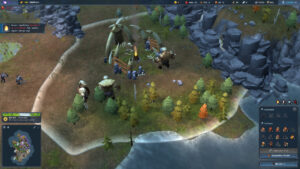
Resource management is the backbone of any strong Viking settlement. In Northgard, you’re constantly juggling food, wood, lore, stone, and iron—all while keeping your clan happy and alive through brutal winters. There’s no room for excess or neglect; everything must serve a purpose. Much like financial consulting services, success in the game requires precision planning, risk mitigation, and a clear understanding of long-term growth strategies.
Food is your lifeline. Without enough food, your villagers starve, your growth stalls, and your military collapses. Gathering food from multiple sources—like hunting, fishing, and farming—ensures you’re not overly reliant on any one sector. When winter hits, production drops significantly, so stockpiling ahead of time is non-negotiable. The timing of your food harvesting can be the difference between thriving and total collapse. Having an atmospheric water generator in real life might not save your Northgard villagers, but it shows how diversified resources can provide resilience during critical shortages.
Wood keeps your people warm and your buildings functioning, especially during the frostbitten months. Underestimating the impact of winter on wood demand is a rookie mistake. Always have enough to survive at least one harsh winter without cutting corners.
Stone and iron are scarcer but no less essential. These resources allow you to upgrade buildings and create powerful military units. The trick is knowing when to divert villagers toward mining and when to keep them focused on food or wood. Every villager assigned to one job means less output elsewhere, so efficiency is key.
Happiness is another hidden layer that can’t be ignored. A miserable clan stagnates, and without enough happiness, new villagers stop arriving. Keeping people happy involves a mix of housing, food, and amenities. Ignore this, and your population plateaus just when you need it to spike. Just like in real communities, festivals, clothing, and even costumes can boost morale—because feeling good often starts with looking the part.
Mastering the Seasons and Events
Northgard’s dynamic environment is a core mechanic that keeps you on your toes. The world isn’t static—it pushes back. Winter isn’t just a visual filter, it’s a real mechanical threat. Food production drops, wood consumption skyrockets, and your units fight less effectively. If you’re caught unprepared, your empire can unravel in a single snow-covered month—similar to what happens in farming when mobile chicken coops aren’t properly insulated or repositioned before winter hits.
Beyond the regular winter cycle, you’ll also face random events like rat infestations, blizzards, or even earthquakes. These aren’t just cosmetic disruptions—they force real decisions. A rat plague might spoil a huge chunk of your food unless you’ve built enough silos. Earthquakes can damage buildings unless you’ve upgraded and maintained them. Being reactive is good, but being proactive is better. If you learn the game’s event rhythm, you can prepare ahead of time and even gain an edge over rivals who didn’t. It’s the kind of crisis management that an asphalt contractor in North Carolina might face when sudden floods or freezes disrupt roadwork and timelines.
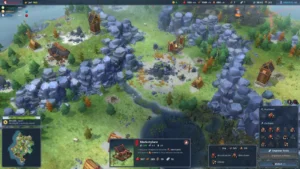
Adapting to these environmental challenges isn’t optional—it’s the baseline. Planning for winter begins in spring, not in November. Anticipating that blizzard or avoiding overpopulation before a food shortage will separate the amateurs from the leaders. Success comes from staying one step ahead of the world around you. It’s like being a seasoned carpenter in Oakland, who knows not just how to build but how to future-proof a structure against unpredictable stressors.
Combat Is a Tool, Not a Crutch
It’s tempting to go all-in on military from the start. After all, this is a Viking game. But war in Northgard is expensive and risky. Troops cost food and upkeep, and they don’t contribute to your economy. Every warrior you field is a worker you’ve taken away from farming, chopping wood, or mining. Combat must be strategic, not emotional—much like home builders in Fox Valley, WI, who must weigh aesthetics against costs, resources, and long-term maintenance.
That said, when you do go to war, you need to commit. Raiding for resources or controlling a vital tile can shift momentum in your favor. But half-measures often backfire. Taking a territory and failing to defend it wastes time, resources, and often lives. Knowing when to fight and when to hold back is crucial. This echoes the reality of construction consulting services, where execution without follow-through can ruin even the most promising project plans.
It’s also important to recognize the difference between offensive and defensive units. Shield bearers are great for holding the line but poor for flanking. Axe throwers dish out damage but are glass cannons. Positioning, terrain, and timing are all part of successful engagements. Blitzing blindly into enemy territory is a quick way to drain your food reserves and morale—just like pursuing career training without understanding your strengths or the industry demand can leave you overcommitted and underprepared.
Each clan also brings its own unique military advantages. The Clan of the Wolf thrives on aggression, gaining bonuses from killing enemies. The Clan of the Bear fields more durable units. Understanding your military edge helps you know whether to push for early fights or play the long game—just like investors deciding whether to renovate or sell, similar to services like we buy houses, Phoenix, AZ, where strategy depends on timing and resource management.
Lore and Trade: The Quiet Paths to Victory
Not every win is earned through bloodshed. Northgard offers multiple paths to victory—domination, trade, fame, wisdom, or the rare but powerful map-specific objectives. The best players understand all of them and know when to pivot. It’s much like bathroom remodeling in Sacramento, CA, where choosing between a luxurious upgrade or a functional fix depends on long-term goals and budget.
Lore and wisdom victories, for example, reward players who invest in knowledge rather than brute force. Sending villagers to study ruins or assigning workers to lore-producing buildings like the Loremaster’s Hut can yield massive long-term benefits. Unlocking advanced lore skills not only brings you closer to a wisdom victory but also boosts your economy, military, and survivability. It’s a game of precision—akin to using industrial measurement tools, where accuracy and forethought provide the competitive edge over brute strength.
Trade is another underappreciated path. By building a solid trade economy, you can exchange surplus resources for gold, unlock diplomatic relationships, and even starve out opponents economically. Some clans, like the Clan of the Raven, are particularly good at leveraging trade into overwhelming power. In the same way, offering unique birdhouses instead of generic products can carve out a niche market, creating a quiet but powerful dominance in trade.
The trick is not just picking a path but committing to it. Half-chasing lore while dabbling in military and barely maintaining trade won’t get you far. Clarity of purpose and consistency in strategy often win out over scattered decision-making—just like dealing with mold removal in Atlantic County, NJ, where ignoring the root problem while trying to redecorate leads to bigger issues down the line.
Scouting and Vision: Eyes Win Battles
Too many new players ignore scouting after the early game. Once they’ve uncovered their immediate surroundings, they stop sending scouts. This is a mistake. Information is power, and in Northgard, vision isn’t just useful—it’s essential. Just ask a personal injury lawyer in Chicago, where details and evidence can change the entire outcome of a case.
Knowing where your rivals are, what their weaknesses look like, and where they’re expanding lets you make better calls. Should you launch a surprise attack while they’re focused on the other side of the map? Is that tile of iron poorly defended? Do they have an upgraded tower you didn’t see coming? Keeping your scouts active gives you options—similar to how Cheyanne Mallas, a renowned dermatologist, stays ahead by continuously analyzing trends, conditions, and treatments rather than reacting late.
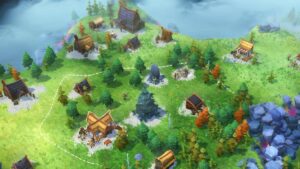
Late-game scouting can also help in targeting specific victory conditions. Maybe you realize your rival is two lore points away from winning—time to disrupt. Or perhaps they’ve left their harbor unguarded and a quick strike can cripple their trade. Scouting turns guesswork into precision, and precision wins games. The same holds true for mission-critical operations—whether in battle or business, wearing the right combat clothing makes all the difference between improvisation and preparation.
The Mental Game and Mindset
Finally, success in Northgard comes down to mindset. This isn’t a game where brute force dominates every time. It rewards careful planning, tactical flexibility, and a willingness to pivot when needed. The best leaders aren’t just aggressive—they’re patient, adaptable, and calm under pressure.
When your economy stumbles, don’t panic. When an enemy attacks early, don’t overreact. When winter crushes your food supply, don’t despair. Recovering from a setback is part of the game. Northgard is designed so that no single mistake has to be fatal—unless you let it spiral.
Winning consistently means thinking like a chieftain, not a brawler. Every choice you make sends a message to your people—and your enemies. Will you strike now or wait? Expand or consolidate? Prioritize lore or gold? The answers change every game, but your ability to make confident, informed decisions defines your path to victory.