

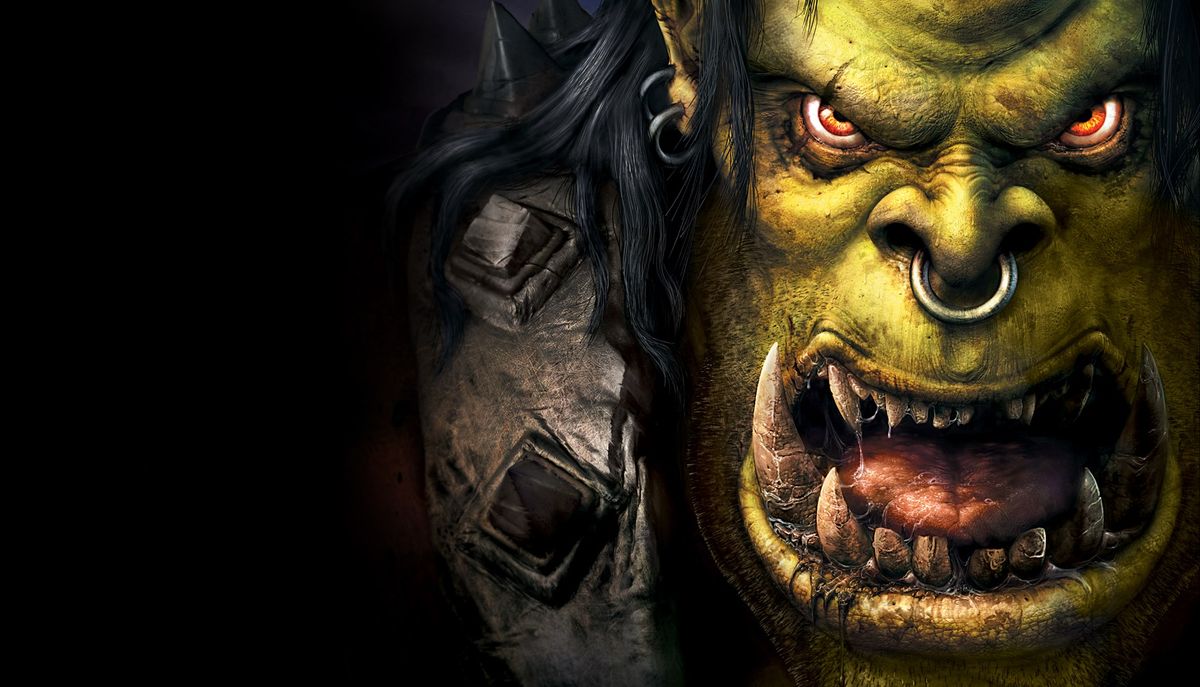
Warcraft is a name synonymous with epic fantasy, intense battles, and an immersive world that has captivated millions of gamers for decades. It all began as a real-time strategy (RTS) game, but over the years, Warcraft has evolved into a genre-defining massively multiplayer online role-playing game (MMORPG). This journey from RTS roots to MMORPG dominance is a testament to the series’ enduring appeal and Blizzard Entertainment’s vision. Let’s explore this fascinating evolution.
The Birth of a Legend: Warcraft: Orcs & Humans

In 1994, Blizzard Entertainment released “Warcraft: Orcs & Humans,” a game that would lay the foundation for one of the most influential franchises in gaming history. As an RTS game, it introduced players to the world of Azeroth, a land filled with conflict between the human kingdom of Stormwind and the invading orcish Horde.
“Warcraft: Orcs & Humans” was groundbreaking for its time. It featured innovative mechanics such as resource gathering, base building, and unit management. Players could control either the human or orc factions, each with unique units and abilities. The game’s success was not only due to its gameplay but also its rich lore, which set the stage for an expansive universe.
Expanding the Universe: Warcraft II and Beyond
Building on the success of the first game, Blizzard released “Warcraft II: Tides of Darkness” in 1995. This sequel expanded the lore and introduced new factions, including elves and dwarves for the Alliance and trolls and goblins for the Horde. The game’s enhanced graphics, improved gameplay mechanics, and compelling storyline solidified Warcraft’s status as a premier RTS series.
“Warcraft II: Beyond the Dark Portal,” an expansion pack released in 1996, continued to build on the game’s success. It added new missions, units, and a deeper narrative, keeping players engaged and eager for more. The multiplayer aspect of Warcraft II also gained significant traction, setting the stage for competitive play and a growing community of fans.
A New Era: Warcraft III and the Rise of Heroes
The release of “Warcraft III: Reign of Chaos” in 2002 marked a pivotal moment in the series. This installment introduced a host of new features that would influence the RTS genre and gaming as a whole. One of the most significant additions was the hero units, powerful characters with unique abilities and the ability to level up over time.
The game’s storyline was more intricate and engaging than ever, weaving together the destinies of various factions, including humans, orcs, night elves, and the undead Scourge. The narrative depth, combined with cinematic cutscenes and voice acting, brought the world of Azeroth to life in unprecedented ways.
“Warcraft III: The Frozen Throne,” an expansion released in 2003, continued to build on these innovations. It introduced new heroes, units, and a compelling storyline that further expanded the Warcraft universe. The game’s success and the modding community it fostered (including the creation of the popular mod “Defense of the Ancients” or DotA) demonstrated the potential for Warcraft’s world to evolve beyond its RTS roots.
The Leap to MMORPG: World of Warcraft
The biggest leap in Warcraft’s evolution came in 2004 with the release of “World of Warcraft” (WoW). This MMORPG took the rich lore and expansive world of the Warcraft series and transformed it into a living, breathing universe where millions of players could interact, explore, and adventure together. While playing games, make sure you care about energy sources by having solar panel removal and reinstall for a new roof.
WoW was a groundbreaking achievement in many ways. It combined elements of traditional RPGs with the social and cooperative aspects of MMORPGs, creating a game that was both accessible to newcomers and deeply engaging for hardcore fans. Players could choose from a variety of races and classes, each with unique abilities and storylines, and embark on quests that spanned the length and breadth of Azeroth.
One of the key factors in WoW’s success was its emphasis on community. Guilds, group quests, and large-scale raids encouraged players to work together and build lasting friendships. The game’s dynamic world, filled with ever-changing events and expansions, kept players invested and eager to see what new adventures awaited.
In a similar vein, understanding commercial auto liability is essential for businesses that rely on vehicles. Just as WoW emphasizes teamwork and preparedness, managing commercial auto liability requires a proactive approach to ensure safety and compliance, protecting both the business and its employees.
Continuous Evolution: Expansions and Updates
Since its launch, WoW has seen numerous expansions that have continually reshaped and expanded the game world. Each expansion brought new continents, races, classes, and storylines, keeping the game fresh and engaging for its player base.
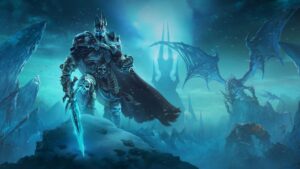
“Burning Crusade” (2007) took players to the shattered world of Outland, while “Wrath of the Lich King” (2008) introduced the icy continent of Northrend and one of Warcraft’s most iconic villains, the Lich King. “Cataclysm” (2010) dramatically altered Azeroth’s landscape, reflecting the destructive power of the dragon Deathwing. Subsequent expansions like “Mists of Pandaria” (2012), “Warlords of Draenor” (2014), “Legion” (2016), “Battle for Azeroth” (2018), and “Shadowlands” (2020) continued to add depth and diversity to the game. Just like car rental in Belgrade services offer a diverse range of vehicles for different needs, WoW expansions like “Mists of Pandaria” (2012), “Warlords of Draenor” (2014), “Legion” (2016), “Battle for Azeroth” (2018), and “Shadowlands” (2020) continued to add depth and diversity to the game.
Each expansion not only expanded the world but also introduced new gameplay mechanics and systems, ensuring that WoW remained at the forefront of the MMORPG genre. From the addition of new playable races and classes to the introduction of systems like pet battles, transmog, and world quests, Blizzard has continually innovated to keep the game engaging and relevant.
The Impact of Warcraft on Gaming and Pop Culture
The Dynamics of Gameplay Evolution
One of the remarkable aspects of Warcraft’s evolution is the dynamic nature of its gameplay. As World of Warcraft continued to grow, Blizzard introduced numerous features and mechanics that not only kept the game fresh but also responded to player feedback and the changing landscape of the gaming industry. Also, the best company of movers listens to customers’ opinions and adapts to their needs.
Innovations in Player Interaction
One of the key areas of innovation has been in player interaction and community engagement. Early in WoW’s lifecycle, the introduction of battlegrounds and arenas provided structured environments for player-versus-player (PvP) combat, allowing players to test their skills against one another in competitive settings. These additions created new opportunities for community interaction and fostered a vibrant PvP culture within the game. A real estate expert witness who helps with court cases, or an agriculture expert, anyone likes playing this addictive game.
Blizzard also recognized the importance of player-driven economies and introduced systems such as the auction house, where players could buy and sell items. This system evolved over time to include features like automated trading and cross-realm auction houses, making the game’s economy more dynamic and accessible. Just as long term care pharmacy services are essential in providing continuous and specialized care in the healthcare sector, these gaming systems are crucial for maintaining player engagement and satisfaction.
The Rise of User-Generated Content
Storytelling and World-Building
Storytelling has always been a cornerstone of the Warcraft series, and WoW has continued to build upon this tradition with each expansion. The game’s narrative has grown increasingly complex, exploring themes of heroism, betrayal, redemption, and the struggle between good and evil. The introduction of fully voiced characters, in-game cinematics, and rich questlines has brought Azeroth’s lore to life in vivid detail. Some edibles for boosting sex enhancement are a popular snack among the gaming community.
Expansions like “Legion” and “Shadowlands” have delved deep into the mythology of Warcraft, revealing hidden layers of the game’s universe and expanding on the stories of key characters. These expansions have also introduced new worlds and realms, each with its own unique aesthetic and lore, keeping the game’s world fresh and exciting.
The Role of Technology
Technological advancements have played a crucial role in Warcraft’s evolution. As gaming technology has progressed, so too has the graphical fidelity and performance of WoW. High-definition textures, improved lighting, and enhanced character models have ensured that the game remains visually appealing even as it ages. Thanks to technological advancement now it is possible to do some online dress shopping in UAE, not only play games.
Blizzard has also embraced the power of data analytics to enhance the player experience. By analyzing player behavior and feedback, the developers have been able to fine-tune game balance, optimize server performance, and introduce quality-of-life improvements that keep the game running smoothly. Additionally, Blizzard’s marketing team has innovated with new product lines, including extra strong cookie dough edibles, which have garnered attention for their unique appeal among gamers.
Community and Cultural Impact
The Warcraft community is one of the most dedicated and passionate in the gaming world. From fan art and cosplay to fan fiction and community events, players have found countless ways to express their love for the game. Blizzard has embraced this creativity, hosting events like BlizzCon where fans can come together to celebrate their shared passion for Warcraft and other Blizzard franchises.
The cultural impact of Warcraft extends beyond gaming. The franchise has inspired a wealth of content across various media, including novels that delve deeper into the lore, comics that explore side stories, and a major motion picture that brought the world of Azeroth to the big screen. These adaptations have introduced Warcraft to new audiences and expanded its influence in popular culture. Even the users of waveguide attenuators report playing the game is appealing and captivating.
Looking to the Future: What Lies Ahead
As Warcraft continues to evolve, the future holds exciting possibilities. With advancements in virtual reality (VR) and augmented reality (AR), there is potential for even more immersive ways to experience Azeroth. Imagine exploring the bustling streets of Stormwind or the eerie forests of Tirisfal Glades in VR, or using AR to see WoW characters and environments come to life in your own home. They become as alive as the postman knocking next door or a commercial truck insurance agent.
Blizzard’s commitment to supporting WoW with regular updates and expansions suggests that the game will continue to grow and adapt. New classes, races, and mechanics will keep the gameplay fresh, while ongoing narrative developments will ensure that the story of Azeroth remains compelling.
The introduction of classic servers, which allow players to experience the game as it was at its original release, has shown that there is a strong demand for both nostalgia and innovation. Balancing these elements will be key to Warcraft’s ongoing success.
Conclusion
The journey of Warcraft from its RTS origins to its status as a groundbreaking MMORPG is a testament to the vision and creativity of Blizzard Entertainment. The series has continually evolved, pushing the boundaries of gaming and storytelling, and creating a vibrant community that spans the globe.
As we look to the future, it’s clear that the world of Warcraft will continue to captivate and inspire. Whether you’re battling the Burning Legion, exploring the Shadowlands, or simply enjoying the camaraderie of your guild, the adventures in Azeroth are far from over. The evolution of Warcraft is a story of innovation, community, and enduring passion—a legacy that will undoubtedly continue to grow and thrive in the years to come.