


In the past, families were defined almost entirely by biology, geography, and legal recognition. Shared meals, household chores, and bloodlines once anchored relationships. Today, digital spaces are transforming the concept of family, and nowhere is this more visible than within video game communities. Video game fans are building “digital families”—tight-knit, supportive networks forged in online worlds where shared experiences, teamwork, and mutual investment replace traditional definitions of kinship. These digital families blur the lines between friendship, collaboration, and familial bonds, creating communities that are as emotionally significant as physical households.
The rise of online gaming has not merely provided entertainment; it has redefined how humans form attachments. Millions of players around the world log on daily to interact with avatars, embark on quests, and overcome challenges together. Over time, these repeated interactions, combined with shared victories and failures, form the foundation of strong social bonds. Just as family members celebrate achievements or console each other during setbacks, digital families share moments of triumph, frustration, and joy. The result is a new cultural phenomenon where the lines between virtual play and genuine emotional investment are increasingly indistinct.
Understanding how video game fans build digital families requires an examination of the social architecture of games, the cultural norms that develop within these spaces, and the psychological and emotional dimensions of online kinship. These factors together explain why millions of players regard their online friends not as mere acquaintances, but as a vital part of their support systems.These virtual bonds provide a sense of shelter and belonging, much like winter apparel protects and comforts the body, creating warmth and security even in environments that might otherwise feel isolating or hostile.
Online Worlds as Fertile Ground for Digital Families
The design of many video games inherently encourages social bonding, providing fertile ground for the formation of digital families. Massively multiplayer online role-playing games (MMORPGs) like World of Warcraft, Final Fantasy XIV, and Guild Wars 2 are explicitly structured around cooperation, mutual support, and interdependence. Players often form guilds or clans to tackle difficult challenges, requiring coordination, trust, and communication. Over time, these interactions create deep, emotionally resonant relationships that mimic many aspects of traditional family dynamics.
Unlike in traditional households, members of digital families are chosen rather than assigned. This voluntary association intensifies commitment and emotional investment. When players select friends and allies based on shared goals, compatible personalities, and mutual respect, they effectively construct their own family units. The act of choosing whom to trust, support, and spend time with fosters bonds that can be remarkably resilient, sometimes even stronger than connections with biological relatives.
Games also provide a safe space for experimentation with roles, responsibilities, and identities. Within these virtual worlds, players often adopt avatars that allow them to explore aspects of themselves that might be constrained in real life. A shy individual may become a charismatic leader of a guild, while a solitary player may evolve into a supportive healer who ensures the success of the group. These shared experiences and complementary roles strengthen the interdependence characteristic of family life, creating emotional intimacy that transcends the screen.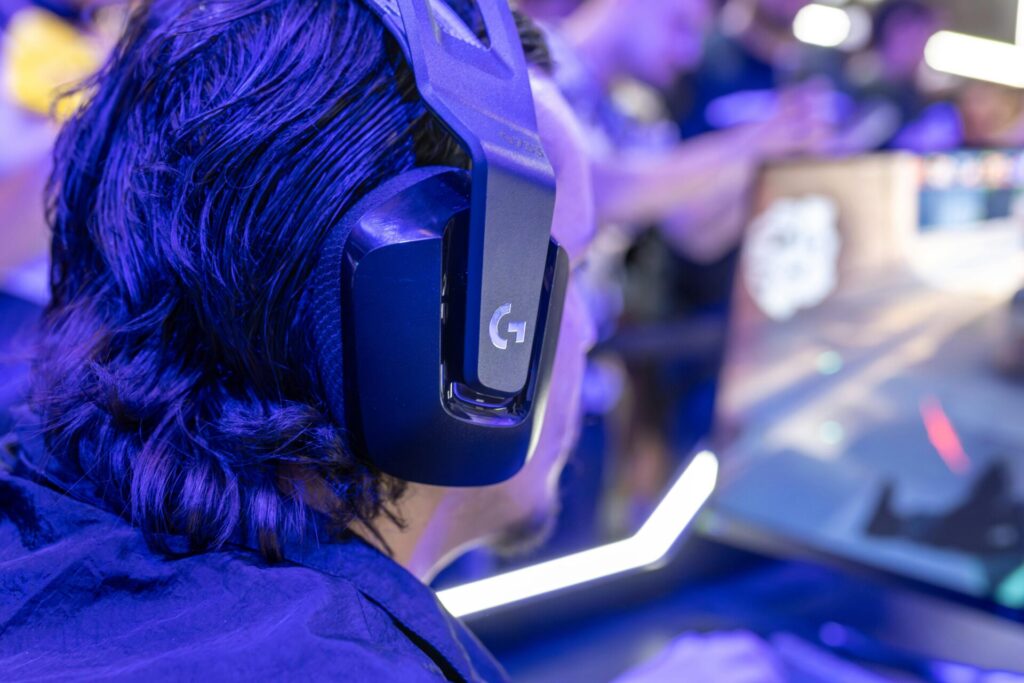
Moreover, the challenges and rewards in these games naturally mirror real-world family dynamics. Coordinating schedules, sharing limited resources, mentoring newcomers, and navigating disagreements all echo tasks commonly associated with household or extended family life. Players learn to balance individual goals with group needs, fostering cooperative skills and empathy that are essential to any functional family unit. The games themselves, in other words, provide both the structure and the incentive to nurture digital families.
Rituals, Traditions, and the Social Glue of Digital Families
Just like traditional families, digital families rely on rituals and shared traditions to maintain cohesion. Daily log-ins, weekly raid nights, or in-game celebrations create predictability and structure that reinforce bonds. These rituals are often rich with symbolic meaning. A successful dungeon run, a birthday event, or even a coordinated holiday costume party in a game becomes a shared memory, a marker of identity and belonging.
Rituals in digital families are not merely about repetition; they foster a sense of responsibility and accountability. Members learn that their presence matters, that their contributions affect the collective experience. Failing to show up for scheduled events can be felt as a genuine absence, reinforcing the seriousness with which participants take their roles. Over time, these patterns of interaction mirror familial obligations, embedding commitment and mutual reliance into the social fabric of the group.
Language and inside jokes also play a central role in establishing a unique family culture. Digital families develop their own slang, emotes, and references that create a sense of exclusivity and intimacy. A new member gradually absorbs this vocabulary, signaling their integration into the family. Shared humor and coded communication create a cultural identity unique to the group, which strengthens solidarity and emotional connection.
Mentorship is another critical dimension. Veteran players often take on parental or older-sibling roles, guiding newcomers, explaining strategies, and providing emotional support when frustration or failure arises. Conversely, newer members may offer fresh perspectives, energy, and creativity that enrich the family dynamic. These reciprocal relationships, where members simultaneously give and receive guidance, closely resemble the intergenerational support structures found in traditional households.
Digital families also adapt to real-life crises, demonstrating that their bonds extend beyond the screen. Members celebrate promotions, offer sympathy during personal loss, and sometimes coordinate real-world meetups. While interactions are mediated through digital technology, the emotional stakes are real, and the commitment mirrors that of traditional kinship.
Identity, Belonging, and Emotional Support
One of the most profound impacts of digital families is their role in shaping identity and providing emotional support. Many players enter virtual worlds seeking acceptance and connection that may be lacking in their offline lives. Online spaces allow them to present themselves in ways that align with their self-concept, explore aspects of identity, and receive validation from trusted companions. Digital families offer a nonjudgmental space where individuality and belonging coexist, a combination often difficult to achieve in the physical world.
The anonymity or flexibility of online interactions can enhance intimacy. Players may share personal struggles, insecurities, or triumphs with their guild members, trusting that these digital confidants will respond with empathy. Over time, the emotional bonds formed through shared gameplay extend into other dimensions of life. Studies have shown that online friendships can provide comparable psychological support to face-to-face relationships, reducing stress, loneliness, and feelings of isolation. Digital families become essential networks for mental health and social well-being, offering a sense of security that rivals traditional familial support.
Digital families also allow for cross-cultural and international connections. Players from different countries, languages, and backgrounds collaborate and develop shared norms, fostering a cosmopolitan sense of kinship. These global relationships teach adaptability, tolerance, and empathy, expanding participants’ understanding of human connection beyond local or national boundaries. In some cases, these international bonds have led to long-lasting real-world friendships and even romantic partnerships, demonstrating the tangible consequences of digital kinship.
The fluidity of identity in online spaces also enables role flexibility. A member might simultaneously take on leadership, mentorship, and peer roles depending on context. This flexibility nurtures resilience, cooperation, and adaptability—traits essential to both digital and physical families. By allowing individuals to explore multiple facets of themselves while contributing meaningfully to a shared social unit, digital families cultivate personal growth alongside collective cohesion.
Challenges and Conflicts in Digital Families
While digital families provide substantial benefits, they also face unique challenges. Unlike traditional households, members may live in different time zones, have variable schedules, or experience technical limitations, complicating coordination. Miscommunication is common, and the absence of nonverbal cues can amplify conflicts. Managing disagreements and maintaining cohesion requires deliberate effort, negotiation, and sometimes conflict-resolution skills that mirror those used in offline families.
Hierarchy and power dynamics can also present difficulties. Leaders or high-level players may wield disproportionate influence, and disagreements over strategy, resource allocation, or social norms can create tension. While these dynamics can foster growth and negotiation skills, they can also alienate members if poorly managed. Balancing authority and collaboration is a constant challenge, echoing the complexities of family governance in the real world.
Attachment to digital families can also complicate real-life responsibilities. Players may prioritize in-game obligations over offline commitments, leading to friction with non-gaming friends or relatives. Yet, many members develop time-management strategies and boundaries that allow them to maintain both digital and offline relationships, illustrating the adaptability and maturity of these social units.
Conclusion
Video game fans build digital families that are emotionally rich, socially complex, and culturally significant. These communities combine shared experience, ritual, mentorship, and emotional support to create bonds that rival traditional familial relationships. Through cooperative gameplay, communication, and mutual investment, players construct networks of trust, identity, and belonging that transcend the limitations of geography and biology.
Digital families also challenge conventional ideas about kinship, demonstrating that family can be chosen, flexible, and dynamic. While they face unique challenges—including time-zone differences, conflicts, and impermanence—the benefits are substantial, offering companionship, emotional support, and opportunities for personal growth. As online spaces continue to expand and evolve, digital families will play an increasingly central role in defining how humans connect, care for one another, and experience belonging in the modern world.
In short, video game fans are proving that family is not confined to the home; it can be built, maintained, and cherished entirely within the digital realms they inhabit, creating bonds that are every bit as real, meaningful, and enduring as those formed offline.