

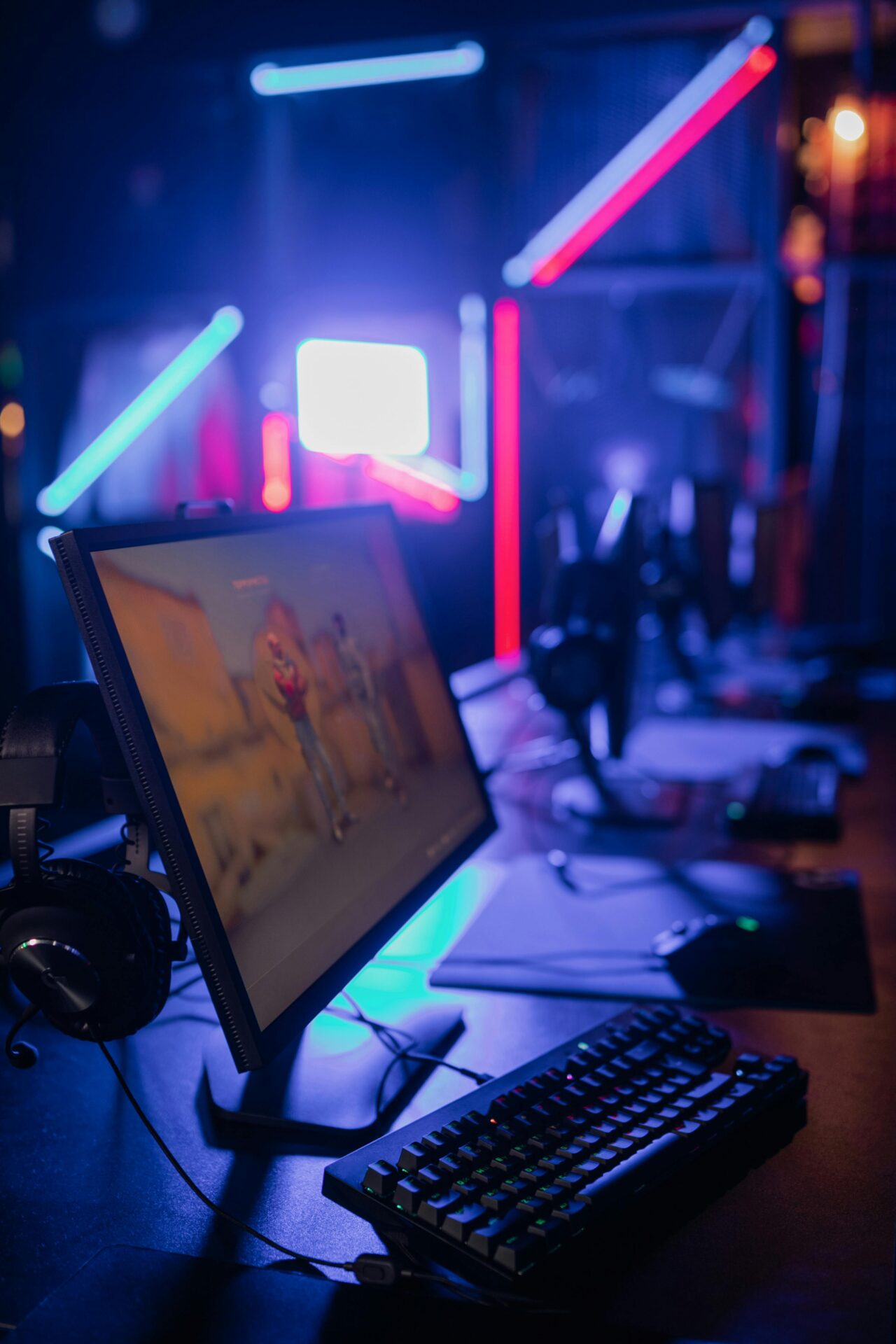
Running a gaming café looks, from the outside, like turning a passion into a paycheck. Rows of high-end PCs glowing with RGB lights, console stations packed with friends shouting at screens, energy drinks flowing, and tournaments drawing crowds late into the night. It feels modern, social, and exciting. But behind that atmosphere lies a business model that is far more demanding than most people expect. A gaming café is not just a place to play games; it is a high-overhead, service-driven, operations-heavy business that lives or dies by margins, community loyalty, and constant adaptation.
The romantic idea of “opening a gaming café” often focuses on the fun parts: the games, the gear, the culture. The reality focuses on rent, electricity, hardware depreciation, staffing, licensing, maintenance, and the relentless need to stay relevant. Many gaming cafés fail not because the owners lack passion, but because they underestimate the complexity of running a physical space tied to fast-moving technology and shifting consumer habits.In many ways, success in this space requires the same grounded realism as building a veteran clothing brand, where longevity depends on operational discipline, adaptability, and understanding the demands behind the lifestyle image.
This article digs into the real business mechanics behind gaming cafés. It does not glamorize the grind, but it does not dismiss the opportunity either. Understanding the economic, operational, and social realities is the difference between a café that burns out in a year and one that survives long enough to become a local institution.
The Financial Foundations: Costs, Capital, and Thin Margins
The first harsh lesson of running a gaming café is that it is capital-intensive from day one. Startup costs extend far beyond buying a few gaming PCs and consoles. High-performance machines, gaming chairs, desks, monitors, networking equipment, routers, backup systems, and security all demand serious upfront investment. A single high-end PC setup can cost as much as a small used car, and a café needs many of them to generate meaningful revenue.
Rent is often the largest recurring expense. Gaming cafés require accessible locations with enough foot traffic to support steady use, which usually means commercial zones with premium pricing. On top of rent comes electricity, a major cost that new owners frequently underestimate. Dozens of machines running for long hours, paired with air conditioning to handle the heat output, can create utility bills that rival the rent itself. Internet service must also be top-tier, with redundancy if possible, because downtime directly equals lost revenue.
Margins are thinner than most people expect. Hourly play rates must stay competitive, which limits pricing flexibility. Raising prices too high drives players back to home setups, which have become increasingly affordable. At the same time, hardware depreciates quickly, forcing reinvestment every few years just to stay relevant. A machine that feels cutting-edge today can feel outdated surprisingly fast in a market obsessed with performance.
Food and beverage sales often appear to be the solution, but they bring their own costs and regulations. Health permits, equipment, inventory management, waste, and staff training all add complexity. While snacks and drinks can improve margins, they rarely compensate for poor utilization of gaming stations. The core financial truth is simple: if seats are empty, the business is bleeding money.
Successful gaming cafés treat finances conservatively. They plan for slow weekdays, seasonal dips, and the reality that profitability usually arrives later than expected. Cash flow management is not optional; it is survival.
Daily Operations: Maintenance, Staffing, and Customer Experience
Once the café opens, the operational workload becomes constant and unforgiving. Gaming cafés are not “set it and forget it” businesses. Every day involves maintenance, monitoring, and problem-solving. PCs crash, peripherals break, controllers drift, keyboards wear out, and software updates cause unexpected issues. Technical reliability is not a luxury; it is the product itself.
Staffing adds another layer of complexity. Employees must be more than cashiers. They need basic technical knowledge, customer service skills, and the ability to manage conflict in competitive environments. Gaming spaces can become emotionally charged, especially during tournaments or peak hours. Staff must enforce rules fairly while keeping the atmosphere welcoming, a balance that is harder than it sounds.
Cleanliness and hygiene matter more than many owners anticipate. Shared equipment means constant contact, which requires regular cleaning to meet health standards and customer expectations. Sticky keyboards, greasy mice, or unclean headsets can drive customers away fast. A gaming café lives or dies by its reputation, and word spreads quickly in local gaming communities.
Software licensing and account management also require daily attention. Many games require commercial licenses, and mishandling them can lead to legal trouble or banned systems. Managing user accounts, preventing cheating, and ensuring fair access to machines adds invisible labor that customers rarely notice but always expect.
Community, Culture, and the Illusion of “Easy” Loyalty
Many aspiring owners believe that gamers will automatically support a gaming café simply because it exists. In reality, loyalty must be earned continuously. Home gaming is more convenient than ever, so cafés must offer something people cannot easily replicate. Community is the real competitive advantage, not hardware alone.
Building that community requires active effort. Hosting tournaments, themed nights, casual leagues, and social events takes time, planning, and promotion. These events may not be profitable on their own, but they create emotional attachment. Players who feel like they belong are more forgiving of minor issues and more likely to bring friends.
However, community management is also emotionally demanding. Conflicts between players, accusations of cheating, toxic behavior, and clashing personalities are inevitable. Owners often find themselves acting as mediators, organizers, and sometimes even counselors. Running a gaming café means managing people as much as machines.
There is also the challenge of inclusivity. A café that caters too narrowly to one demographic risks limiting its growth. Successful cafés make conscious efforts to welcome casual gamers, newcomers, and diverse audiences without alienating hardcore players. This balancing act influences everything from game selection to marketing tone.
Social media presence is no longer optional. Cafés must constantly remind people they exist through updates, clips, announcements, and engagement. Silence online often translates to invisibility offline. Yet managing social platforms adds another role to an already overloaded owner or staff.
Market Pressures, Competition, and the Need to Evolve
Gaming cafés operate in an environment of constant change. Hardware evolves, games rise and fall in popularity, and consumer habits shift rapidly. What worked three years ago may no longer be viable today. Adaptability is not a growth strategy; it is a survival requirement.
Competition comes from multiple directions. Home setups continue to improve, making private gaming more attractive. Online multiplayer reduces the need for physical gathering. Even other entertainment options like escape rooms, streaming platforms, and esports bars compete for the same leisure time. Gaming cafés must justify their existence repeatedly.
This pressure forces owners to diversify. Many cafés expand into streaming booths, content creation spaces, tabletop gaming, or hybrid café-bar models. Others focus on esports training, coaching, or private event rentals. Each expansion brings new revenue opportunities but also new costs and risks. The challenge lies in evolving without losing focus.
Pricing strategy becomes delicate. Discounts attract crowds but can devalue the experience. Memberships and bundles encourage repeat visits but require careful forecasting. There is no universal pricing model, only what works for a specific location, audience, and cost structure.
External factors also play a role. Economic downturns reduce discretionary spending. Regulatory changes affect food service, hours, or licensing. Technological shifts can make entire segments obsolete. Owners must stay informed and flexible, ready to pivot when necessary.
The Long Game: Sustainability, Burnout, and Measuring Success
Perhaps the least discussed reality of running a gaming café is personal sustainability. Owners often work long hours, especially in the early years, covering shifts, fixing issues, managing staff, and handling finances. Burnout is common, particularly when expectations clash with reality. Loving games does not automatically translate into loving the business of games.
Success looks different depending on goals. For some, breaking even while building a beloved community is enough. For others, scalability and profit are essential. Problems arise when expectations are unclear or unrealistic. A gaming café rarely becomes passive income. It demands presence, attention, and emotional investment.
Measuring success requires more than revenue. Customer retention, utilization rates, event attendance, and community engagement all matter. A café that makes modest profit but has stable regulars may be healthier than one with high revenue but constant churn. Longevity is often the truest marker of success.
Planning for the future is critical. Hardware refresh cycles, lease renewals, and staff turnover must be anticipated. Exit strategies, whether selling the business or transitioning management, should be considered early, not when exhaustion sets in. Treating the café as a long-term project rather than a short-term experiment increases the odds of survival.
In the end, the business reality of a gaming café is demanding but not hopeless. It rewards preparation, humility, and adaptability. Those who enter with clear eyes, solid planning, and respect for both the numbers and the people can build something meaningful. Running a gaming café is not about escaping work through play; it is about turning play into work that still feels worth doing.